



How Professional Carpet Cleaning Extends the Life of Your Flooring in Long Island Coastal Homes
Table of Contents If you live anywhere near the water on Long Island, you already know this truth: your home ages differently here. The ocean air doesn’t just rust cars and fog windows—it quietly works its way into your floors. Carpets, especially, take the hit. Sand, salt, moisture, and humidity team up like a slow leak you don’t notice until the damage is done. Professional carpet cleaning isn’t about making things look nice for company. In coastal homes, it’s about keeping your flooring from aging twice as fast as it should. Why Long Island’s Coastal Environment Is Tough on Carpets Salt Air Isn’t Just Outside—It’s in Your Floors Salt travels. It comes in on shoes, pets, beach bags, and even open windows. Once salt crystals settle into carpet fibers, they behave like tiny pieces of glass. Every step grinds them deeper. Over time, that grinding leads to: Fiber thinning Fraying Permanent traffic lanes Humidity Keeps Carpets From Ever Fully Drying Long Island’s humidity doesn’t take breaks. Even carpets that feel dry often hold moisture deep down in the padding. According to the EPA’s indoor air quality guidance, moisture trapped in flooring increases the risk of mold growth and material breakdown What Actually Causes Carpet Fibers to Break Down Dirt and Sand Work Like Sandpaper Vacuuming removes surface debris. What it doesn’t remove is the grit packed into the base of the carpet. That’s where damage starts. Moisture Weakens Carpet Backing Carpet backing holds everything together. Moisture breaks down adhesives, leading to rippling, loosening, and early failure. DIY Cleaning Often Makes It Worse Home machines tend to: Over-wet carpets Leave detergent residue Fail at deep extraction That residue attracts dirt faster, turning carpets into magnets for grime. Why Professional Carpet Cleaning Works Differently It Reaches What Vacuums and DIY Machines Can’t Professional systems use controlled heat, pressure, and suction to remove soil from the base of the fibers—not just the surface. pH-Balanced Solutions Protect Fibers Harsh cleaners strip fibers. Professional solutions clean without drying them out or weakening their structure. Extraction Matters More Than Water It’s not about how much water goes in—it’s about how much comes out. How Professional Carpet Cleaning Extends Carpet Life It Reduces Fiber Abrasion Removing grit means less friction. Less friction means fibers don’t snap under pressure. It Prevents Matting and Crushing Regular professional cleaning lifts fibers back into place, especially in hallways and living rooms. It Protects the Padding Underneath Padding absorbs moisture and odors. Once it fails, the carpet above it follows. Why Coastal Homes Need More Frequent Cleaning Recommended Cleaning Frequency by Home Type Home Type Recommended Frequency Oceanfront homes Every 6 months Homes with pets Every 6 months Rental properties Every 3–6 months Inland Long Island homes Every 9–12 months Best Professional Cleaning Methods for Long Island Homes Hot Water Extraction (Steam Cleaning) Ideal for deep soil removal when paired with strong extraction. Learn more about professional methods here:🔗 https://steamsquad.com/steam-vs-shampoo-carpet-cleaning-which-ones-really-worth-your-money/ Low-Moisture Encapsulation Cleaning Excellent for humid homes where drying speed matters. Anti-Microbial Treatments These reduce mold and odor risk after cleaning. The Financial Side: Cleaning vs Replacement Replacing carpet in Long Island homes often costs $4,000–$8,000+, depending on size and material.Routine professional cleaning costs a fraction of that and delays replacement by years. For cost breakdowns, see:🔗 https://steamsquad.com/understanding-carpet-cleaning-costs-in-long-island-ny-a-comprehensive-guide/ Signs Your Carpet Is Wearing Faster Than It Should Musty odors that won’t go away Stiff or crunchy fibers Visible traffic lanes Ripples or looseness Early intervention often saves the carpet. Waiting usually doesn’t. Choosing the Right Carpet Cleaner in Long Island Local Experience Matters Coastal homes aren’t the same as inland properties. Moisture control matters. Certifications Count Look for IICRC-certified professionals who understand fiber types and backing systems. Avoid Too-Good-To-Be-True Pricing Cheap cleaning often leads to expensive replacement. Carpet Cleaning and Indoor Air Quality Carpets trap: Allergens Mold spores Pet dander The CDC notes that proper moisture control and cleaning reduce indoor air health riskshttps://www.cdc.gov/mold-health/about/index.html How to Prepare for Professional Carpet Cleaning Remove small items Identify problem areas Keep pets off freshly cleaned carpets until dry Drying times vary, but professional methods reduce moisture retention significantly. Common Coastal Carpet Myths Carpets Don’t Last Near the Beach Anyway” They can—if maintained correctly. “More Water Means Deeper Cleaning” It usually means more damage. FAQs Does professional carpet cleaning really extend carpet life? – Yes. By removing abrasive dirt and moisture, it significantly slows fiber breakdown. Is steam cleaning safe for coastal homes? + Yes, when done properly with strong extraction and controlled moisture. How long should carpets last in Long Island homes? + With proper care, 10–15 years instead of 5–7. Can professional cleaning remove salt damage? + Early-stage salt buildup can be neutralized and removed. Is frequent cleaning bad for carpets? + No. Proper professional cleaning actually protects fibers.
Why Long Island’s Humid Weather Demands More Frequent Carpet Cleaning
Table of Contents Long Island folks know this dance all too well—sunny morning, heavy haze by noon, a sticky blanket of humidity by dinner. You step onto your carpet and something feels… off. A little softer than yesterday. Maybe there’s a faint smell in the hallway you can’t quite place. And yet, the carpet looks fine. That’s the trick. Humidity doesn’t attack your carpet in loud, obvious ways. It creeps in quietly, the same way salt air leaves a film on your windows. This is exactly why humid weather carpet cleaning becomes essential for maintaining healthier carpets in Long Island homes. This article unpacks why Long Island’s climate does a number on carpets—and how cleaning them more often isn’t a luxury but a survival plan for your floors, your home, and honestly, your sinuses. The Climate Problem: Why Long Island Homes Struggle With Moisture Humidity is pretty much baked into our local weather. According to NOAA’s humidity data the Northeast experiences some of the highest seasonal moisture levels in the country. Follow our social media pages for carpet care tips, cleaning updates, and real customer transformations. Humidity Sneaks Into Carpets Like a Slow-Moving Tide Even when the surface feels dry, the deeper fibers quietly absorb moisture. Think of carpets as thirsty sponges—they soak up whatever the air gives them. Coastal towns get hit the hardest Places like: Long Beach Freeport Bay Shore Montauk Port Jefferson …stay damp far longer than inland suburbs, even with AC running. What Humidity Actually Does to Your Carpet (It’s More Than Smell) Carpets don’t just get dirty in humid weather—they get biologically active. Professional humid weather carpet cleaning helps remove trapped moisture, bacteria, and odor-causing contaminants before they spread deeper into carpet fibers. Moisture + Dirt = A Perfect Microbial Playground When carpets absorb moisture, microbes wake up like it’s spring break. Dust mites breed faster Bacteria multiplies Mold spores take root Odors cling to fibers The EPA’s mold guidance (https://www.epa.gov/mold) confirms that soft furnishings in damp environments grow biological contaminants faster than hard surfaces. Where Does This Show Up First? Slight discoloration “Wet dog” smell even without pets Throat irritation A slightly squishy feeling in certain spots If any of these sound familiar, humidity is already taking its toll. Why Long Island Homes Absorb More Moisture Than Homes in Other Regions Not all states deal with carpet moisture the way Long Island does. We Live on an Island Salt air + ocean winds = constant moisture exchange. Summers are brutally humid Daily humidity levels often sit at 70–90%, making carpets absorb water vapor nonstop. Many homes are older Older buildings in Nassau and Suffolk County weren’t built with today’s ventilation standards. Moisture gets in and stays in. AC systems don’t always remove humidity People assume AC = dry air. Not always. If your system is oversized or aging, it cools the air too fast, leaving humidity behind. The Real Cost of Ignoring Humidity in Your Carpets Here’s where things get serious. Microbial growth becomes unavoidable Even if the carpet “seems clean,” microscopic organisms grow when humidity is high. Stronger smells develop Not the cute candle-filling kind. The earthy, stale smell that makes guests politely avoid commenting. Your carpet’s lifespan drops by years Moisture weakens fibers, destroys the backing, and adds weight that causes wear. Allergies spike Families with asthma, elderly residents, and kids are most affected. Signs Humidity Is Ruining Your Carpet (Even If You Vacuum Weekly) Here are the biggest clues your carpet is suffering: Musty or sour smell Even after vacuuming or airing out the room. Carpet feels heavier or dense Moisture adds weight to fibers. Dark spots Often confused with dirt but actually microbial development. Soft or spongy padding underneath More coughing, sneezing, or sinus pressure Indoor air quality drops fast in humid conditions. Why More Frequent Carpet Cleaning Isn’t Optional in Long Island Most carpets in the U.S. can get away with a yearly cleaning. In coastal environments like Long Island, humid weather carpet cleaning should be scheduled more frequently to reduce moisture buildup and protect indoor air quality. Here’s why cleaning more often makes sense: ✔ Humidity reactivates old dirt A stain that dried in March can reappear in July. ✔ Professional cleaning kills hidden mold spores Especially important in basements and coastal homes. ✔ Hot Water Extraction removes deeply trapped moisture This method is widely recommended by cleaning experts. ✔ Regular cleaning protects your indoor air quality Especially if you have pets, kids, or poor ventilation. How Often Should Long Island Residents Clean Their Carpets? Here’s a realistic schedule: Recommended Carpet & Rug Cleaning Frequency by Home Type Home Type Cleaning Frequency Coastal homes Every 2–3 months Homes with pets Every 3–4 months High-traffic families Every 4–6 months Apartments / condos Every 6 months Elderly households Every 3–5 months Check our Google Business Profile to explore verified customer reviews and local homeowner experiences. Visit Our Shop Trusted by thousand of people & companies. Steam Squad Carpet & Upholstery Cleaners Long Island, NY 5.0 ⭐⭐⭐⭐⭐ (164 Google reviews) Phone: (516) 567-8966 steamsquad@gmail.com Long Island, New York Mon-Fri – 8am to 8pm. Sat/Sun – 9am-5pm View on Google What Cleaning Methods Work Best in Humid Climates? Hot Water Extraction (Steam Cleaning) The gold standard. It removes moisture and kills microbial growth. Low-Moisture Cleaning Great between major cleans. Reduces drying time, prevents reactivation. HEPA-Level Vacuuming Removes fine particles humidity tends to “glue” into fibers. Dehumidification Rinse A specialized treatment that reduces moisture inside carpet backing. If you choose a local pro, look for companies that offer moisture-focused cleaning, antimicrobial rinses, or deodorizing—something Steam Squad often highlights in their cleaning services on https://steamsquad.com. DIY Tips to Keep Carpets Dry Between Cleanings
How Rug Cleaning Costs Are Determined in Long Island (Size, Fibre, Condition, Transport?)
Table of Contents If you’ve ever tried to price rug cleaning in Long Island—Nassau or Suffolk—you already know it’s a bit like trying to guess what’s inside a sealed box. Every company gives a different number. Some charge “per foot,” some give flat rates, and a few won’t quote anything until they’ve touched the rug like it’s a sacred artifact in a museum. Understanding rug cleaning costs can help homeowners compare services more confidently and avoid unexpected charges. Truth is, rug cleaning pricing isn’t random. It’s a blend of size, fibre, condition, construction, and sometimes the not-so-fun part—transport. Once you understand these levers, the whole pricing game finally makes sense. Let’s dig in like an expert rug technician who has spent half their life vacuuming sand out of wool piles. The Real Story Behind Rug Cleaning Prices on Long Island Long Island is a strange beast—sand from Jones Beach, pet hair from everybody’s golden retriever, humidity that curls your hair, and those salt-laced winters. Rugs here… age differently. And so do the cleaning costs. Most Long Island cleaners build pricing using a square-foot model, then stack add-ons based on: Fibre type Level of soil Pet accidents Transport effort Cleaning method (on-site vs in-plant) Homeowners are often surprised that two rugs the same size can cost wildly different amounts. But fibres have attitudes. Silk is a diva. Wool is an old wise uncle. Polypropylene is the easygoing cousin who doesn’t complain. Follow our social media pages for rug care insights, cleaning transformations, and expert maintenance tips for Long Island homes. Facebook-f Yelp Google Rug Size: The Pricing Foundation (Bigger Rug = Bigger Bill) Before anything else, cleaners measure your rug: Length × Width = Square Footage A rug that is 8′ × 10′ = 80 sq. ft.This measurement determines the base cost before the fancy stuff gets added. Rug cleaning costs are often calculated using square footage as the starting point for pricing. Why Size Matters Larger rugs take longer to clean They hold more soil They require more shampoo, water, and drying space Transporting them is harder (especially in older Long Island homes with tight foyers) Typical Square-Foot Pricing (Not listing exact numbers—each company differs.) But typically: Synthetic rugs ➝ Lower range Wool rugs ➝ Mid to upper range Silk/Oriental rugs ➝ Premium For example, your 80 sq. ft. wool rug may cost more than your neighbor’s 80 sq. ft. synthetic rug simply because wool requires gentler handling and a more controlled dry. Want examples? SteamSquad provides transparent rug size–based pricing here: 👉 https://steamsquad.com/rug-cleaning-long-island/ Fibre Type: The Secret Cost Multiplier (Wool, Silk, Synthetic) Some fibres are easy. Others behave like they survived a royal dynasty. Different materials can significantly impact rug cleaning costs because delicate fibres require specialized cleaning methods and drying techniques. Wool Rugs (Most Common in Long Island Homes) Used in living rooms, dining rooms, inherited from relatives in Lake Grove or Great Neck. Wool often costs more because: It traps dust deeper Needs pH-balanced shampoos Can shrink if mishandled Requires slower drying Silk & Viscose Rugs (Luxury Pricing) These are delicate and demand: Dye migration tests Low-water cleaning Hand-detailing Careful drying to prevent texture changes Silk is priced like a boutique service. Cleaning it is like cleaning a wedding dress—not a hoodie. Synthetic Rugs (Budget-Friendly) Polypropylene, nylon, polyester—your typical Costco or HomeGoods rug. Cheap to clean. Predictable. Easy to dry. Also often the kind you toss in the garage after five years. Rug Construction: Hand-Knotted vs Machine-Made Construction determines whether your rug washes like a towel—or like a fragile historical scroll. Hand-Knotted Rugs Common in Persian, Afghan, Turkish, or Oriental styles. Cost more to clean because: Fibres are denser Colors can bleed Often require immersion rug washing Inspection is more time-consuming Hand-Tufted Rugs These often have a latex backing that breaks down over time. Tufted rugs: Shed more Are harder to dry Sometimes release odors Cleaning them costs slightly more due to care required in preventing delamination. Machine-Made Rugs These are the easiest—uniform structure, predictable results, lower rates. Soil Level & Condition: How Dirty Is Too Dirty? Let’s be honest: Long Island homes see chaos. Muddy spring days, pet hair, wine nights, holiday dinners, and toddlers who consider rugs a giant napkin. Heavy staining, odors, and embedded dirt can increase rug cleaning costs due to the extra treatments and labor required. Light Soil (Cheaper) Occasional cleaning Regular vacuuming No major spills Medium Soil Visible tracked-in dirt Pet hair embedded Kitchen grease drift Heavy Soil (Expensive) Years of no cleaning Heavy pet urine Odors Greasy dark traffic lanes Heavily soiled rugs often require: Multiple shampoo passes Enzyme soaking Centrifuge extraction Deep immersion washing This adds 🚀 to the bill. Pet Accidents: The Sticker Shock Nobody Mentions Pet urine is a whole different creature. Urine seeps: Through the pile Into the backing Into the pad Sometimes into the hardwood below Removing it requires: Odor treatments Enzyme baths Submersion flushing Specialized equipment If your dog Baxter has been “expressing himself” too often, expect extra charges. NY.gov even notes that untreated urine contributes to indoor air bacteria and allergens: On-Site Cleaning vs In-Plant Cleaning Two worlds. Big difference. On-Site Cleaning Done in your home. Best for: Large synthetic rugs Low-pile rugs Rugs that can’t be moved Limitations: Not ideal for wool Can’t rinse fully Risk of wood floor damage In-Plant Cleaning The gold standard. Best for: Wool, silk, Oriental Heavy soil Pet odor Antique or sentimental rugs Inside a rug plant, technicians can use: Centrifuge rug drying systems Full-immersion washing Controlled humidity drying rooms Rug fibre identification tests This obviously costs more—but results are night-and-day better. Visit our Google Business Profile to explore verified customer feedback and real rug cleaning experiences from local homeowners. Visit Our Shop Trusted by thousand of people & companies. Steam Squad Carpet & Upholstery Cleaners Long Island, NY 5.0 ⭐⭐⭐⭐⭐ (164 Google reviews) Phone: (516) 567-8966 steamsquad@gmail.com Long Island, New York Mon-Fri – 8am to 8pm. Sat/Sun – 9am-5pm
How to Choose the Right Carpet Fibre for Long Island Homes (and Why It Matters for Cleaning & Longevity)
Table of Contents If you’ve ever stepped barefoot onto a soft carpet after a Long Island beach day — only to find it gritty with sand or smelling faintly of salt — you already know that flooring here lives a harder life than most. Between humid summers, winter slush, coastal air, and family foot traffic, your carpet quietly takes the beating. Choosing the right carpet fibre on Long Island isn’t just about comfort or color — it’s a decision that affects how long your flooring lasts, how easy it is to clean, and even your home’s air quality. In this guide, we’ll break down which carpet materials (nylon, polyester, triexta, wool, and olefin) perform best for Long Island’s unique climate. You’ll discover how humidity, salt, and lifestyle impact your carpet’s durability, why solution-dyed nylon and triexta are homeowner favorites, and how to match each fibre to your family’s needs — from beach cottages in Montauk to busy homes in Garden City. Why Long Island’s Climate Is a Carpet’s Worst Enemy Humidity, Salt, and Seasonal Shifts Long Island’s humid summers are relentless. Moisture creeps into the backing of carpets, creating a breeding ground for mildew and that “musty” smell no candle can hide. The climate conditions affecting carpet fibre on Long Island homes often lead to faster wear and moisture-related damage if the wrong material is chosen. Come winter, calcium chloride from driveways mixes with melting snow and seeps into your entry rugs, leaving white crusty stains that stiffen the fibres. If you live anywhere from Huntington to Montauk, you already know: what you track in from the yard ends up embedded in the pile. Understanding Carpet Fibre Types Choosing carpet fibre is a bit like choosing a car — each has its own performance level, comfort, and maintenance cost. Understanding different carpet fibre for Long Island helps homeowners choose materials that suit their lifestyle and local weather conditions. Carpet Fibre Types — Strengths, Weaknesses & Ideal Use Fibre Type Strengths Weaknesses Ideal Use Nylon Durable, resilient, stain resistant Slightly pricier High-traffic areas, stairs Polyester (PET) Soft, vibrant colors, eco-friendly Can crush easily Bedrooms, guest rooms Triexta (SmartStrand) Great stain protection, soft texture Slightly less resilient than nylon Family & living rooms Wool Natural, breathable, long-lasting Expensive, sensitive to moisture Formal or low-traffic spaces Olefin (Polypropylene) Moisture & bleach resistant Crushed appearance under weight Basements, indoor-outdoor areas Follow us on social media for flooring care ideas, carpet maintenance tips, and real home cleaning transformations. Facebook-f Yelp Google Top Carpet Fibre Choices That Perform Best in Long Island Homes Nylon — The Workhorse 🧼 If Long Island had a “carpet MVP,” it’d be nylon. It bounces back after pressure, resists sand abrasion, and handles humidity well.Go for solution-dyed nylon carpet — it locks in color at the molecular level, making it bleach-resistant and perfect for coastal homes. Many carpet fibre experts also recommend nylon for high-traffic homes because of its resilience and easier maintenance. Triexta — Soft but Strong Triexta, or SmartStrand, has the warmth of polyester but added toughness. Families with kids and Labradors will love it. Even red wine wipes off with mild detergent — no panic cleaning required. Wool — The Heritage Choice Nothing beats the warmth of wool underfoot on a cold Babylon morning. It’s naturally stain-resistant and self-extinguishing, but needs care — no harsh chemicals or high-alkaline cleaners.If you’re set on sustainability, wool carpet cleaning tips from CRI recommend periodic professional maintenance using neutral pH solutions. Matching Carpet Fibre to Your Lifestyle Lifestyle-Based Carpet Fibre Recommendations Lifestyle Recommended Fibre Why It Works Busy families with kids/pets Nylon or Triexta Tough, stain resistant, hides tracks Waterfront & beach homes Solution-dyed Nylon Fights salt, sun fade, and sand abrasion Low-traffic spaces Polyester Plush feel, affordable Basements or humid rooms Olefin Moisture-proof and easy to clean Construction & Density: The Hidden Players It’s not just the fibre — it’s how it’s built. Twist: More twists = more resilience. Density: Tight yarn packing prevents matting. Face weight: Indicates total fibre mass — higher usually means better wear. When comparing, don’t just go by “feel.” A 40 oz dense nylon can outlast a soft, loose 60 oz polyester any day. Padding: The Underrated Hero A carpet’s comfort and life span depend heavily on what’s underneath.Opt for 8–10 lb high-density padding, ideally with antimicrobial properties to deter mold — especially vital for Long Island basements. If you live near the coast, choose moisture-resistant underlayment or a vapor barrier pad to prevent subfloor dampness from creeping up. How Different Carpet Fibres React to Cleaning Methods (and Why It Matters) Hot Water Extraction (HWE) vs. Low-Moisture (VLM) Nylon/Triexta: Handles professional steam cleaning every 12–18 months. Polyester: Better suited for low-moisture encapsulation cleaning. Wool: Needs controlled heat and pH-balanced cleaners. Olefin: Quick-drying encapsulation is ideal. (For Long Island residents, professional carpet cleaning every spring and fall is optimal — humidity and salt residue are lowest then.) Everyday Maintenance Checklist Vacuum twice weekly with a HEPA filter vacuum. Treat salt or wine stains immediately. Rotate rugs and furniture every 6 months. Schedule pro deep cleaning once a year. Visit our Google Business Profile to discover verified reviews and experiences from Long Island homeowners. Visit Our Shop Trusted by thousand of people & companies. Steam Squad Carpet & Upholstery Cleaners Long Island, NY 5.0 ⭐⭐⭐⭐⭐ (164 Google reviews) Phone: (516) 567-8966 steamsquad@gmail.com Long Island, New York Mon-Fri – 8am to 8pm. Sat/Sun – 9am-5pm View on Google Color and Pattern: More Than Aesthetic Sand and pet hair love light-colored carpets — they blend invisibly until it’s too late.Choose speckled, heathered, or low-pile patterns to disguise buildup between cleans.Mid-tone hues — soft grays, beige-sands, or stone — match Long Island’s natural palette while forgiving everyday mess. Eco-Friendly and Health Considerations Modern homeowners care about sustainability. Look for: Low-VOC certification (EPA Guide) Recycled PET polyester options Wool sourced from cruelty-free farms Carpets with CRI Green Label Plus seal Budgeting: Where to Save, Where to Splurge Carpet Fibre
Why Seasonal Carpet Care Matters in Long Island’s Climate (and How We Do It)
Table of Contents Understanding Long Island’s Climate Long Island’s weather has a personality of its own — a mix of humid summers, salty winters, and unpredictable in-between seasons. It’s beautiful, sure, but it also makes life tough on carpets. You might not think about it, but your flooring is constantly absorbing the island’s changing air — moisture, salt, pollen, and all. When you walk inside from a snowy driveway in Patchogue or after a sticky August afternoon in Garden City, your carpet quietly collects what the weather leaves behind. Over time, this can mean discoloration, trapped odors, and a gradual breakdown of fibers if not properly cared for. This is one of the main reasons why Seasonal Carpet Cleaning Matters for Long Island homeowners. Follow our social media pages for seasonal carpet care tips, cleaning updates, and real customer transformations. Facebook-f Yelp Google The Humid Summers and Their Impact on Carpets Ever walk into your living room on a hot, humid August morning and notice that heavy, musty smell? That’s trapped moisture — and it loves carpets. During Long Island’s muggy months, carpets soak up humidity from the air, especially in coastal towns like Huntington or Port Jefferson. This moisture can cause: Mold and mildew buildup deep in fibers Unpleasant odors that linger despite vacuuming Weakened adhesive backing from prolonged dampness According to the EPA’s indoor air quality report, trapped moisture can also lead to poor air circulation and higher allergen levels. That’s why Steam Squad Cleaners uses dehumidifying carpet care and VLM (very low moisture) cleaning methods in summer to neutralize odors and stop mold growth before it spreads. The Salty Winters and Indoor Residue Now let’s talk winter. Picture this: your boots crunch through ice-melt salt, then step straight onto your living room carpet. Over a few weeks, that salty residue builds up like invisible sandpaper, grinding against the carpet fibers every time someone walks over it. Long Island’s winter grime doesn’t just stain — it stiffens fibers and dulls colors. Salt particles, if ignored, can even break down carpet backing over time. At Steam Squad Cleaners, our salt and calcium stain removal process targets these winter residues using biodegradable cleaning solutions that restore softness without leaving chemical odors. (Learn more about how salt affects flooring from NOAA’s climate data resources) Why Local Climate Calls for a Seasonal Approach Long Island isn’t just one season — it’s four unique microclimates in a single region. Between the South Shore’s humidity and the North Fork’s coastal winds, your carpet experiences more temperature swings than you might realize. A seasonal carpet care routine ensures: Protection from each season’s unique damage Improved indoor air quality year-round A longer carpet lifespan (especially in high-traffic homes) Seasonal Carpet Cleaning Matters because it helps carpets stay protected from year-round weather-related wear and buildup. Think of it as preventive health for your home’s flooring — a way to keep things fresh no matter what the forecast says. A Season-by-Season Look at How Long Island’s Weather Impacts Your Carpets Spring — The Pollen and Mud Season Spring is when Long Island wakes up — and when your carpets get hit hardest by pollen, mud, and outdoor debris. Those weekend walks in Massapequa Park or backyard barbecues bring in allergens that settle deep into the carpet’s base. A spring refresh focuses on: Deep extraction cleaning to remove pollen Anti-allergen treatments for sensitive households Pet-safe deodorization after long winter months indoors Summer — Humidity, Mold, and Odors Summer heat doesn’t just make you sweat — it makes your carpets “sweat,” too. Trapped humidity breeds mildew, especially in coastal towns. To combat this, Steam Squad Cleaners offers anti-microbial carpet treatment and dehumidifying steam cleaning, ensuring your home smells fresh — not funky. Fun Fact: Studies by the CDC found that humidity above 60% creates ideal conditions for mold spores to grow in fabrics and fibers. Fall — Dust and Allergens Return Indoors As leaves drop, so does indoor air quality. Heating systems circulate old dust, and pets shed their summer coats. That combination clings to carpet fibers and lingers. Fall carpet cleaning helps reset your home before winter by: Removing embedded dust and allergens Refreshing fibers with eco-friendly carpet cleaning solutions Prepping your home for closed-window months Winter — Salt, Snow, and Slush Stains Winter is the real test. The salt, snow, and moisture from boots can discolor and stiffen carpets. That’s where Steam Squad Cleaners’ winter maintenance plan comes in. Using non-toxic carpet products, we lift salt buildup, sanitize fibers, and ensure quick carpet drying times — perfect for families who can’t wait days for carpets to dry. The Hidden Dangers of Neglecting Seasonal Carpet Cleaning Skipping seasonal carpet cleaning might seem harmless, but it’s like ignoring an oil change — problems pile up quietly. Allergens and Indoor Air Quality Carpets trap microscopic allergens that affect breathing and sleep quality. The EPA notes that most household pollutants live in flooring fibers. Regular cleanings keep your indoor air healthier and fresher. Bacteria, Mold, and Mildew Growth Humidity and dust form the perfect environment for bacterial growth. Without anti-microbial treatments, even a visually clean carpet could harbor invisible colonies that trigger allergies or odors. Carpet Fiber Damage and Discoloration Salt, dirt, and mud are abrasive — over time, they shred fibers like sandpaper. Seasonal Carpet Cleaning Matters when it comes to preventing premature carpet wear and preserving fiber quality. Why Steam Squad Cleaners Take Seasonal Carpet Care Seriously We’re not just cleaning carpets — we’re preserving your home’s comfort. Visit our Google Business Profile to explore verified customer reviews and trusted local cleaning experiences. Visit Our Shop Trusted by thousand of people & companies. Steam Squad Carpet & Upholstery Cleaners Long Island, NY 5.0 ⭐⭐⭐⭐⭐ (164 Google reviews) Phone: (516) 567-8966 steamsquad@gmail.com Long Island, New York Mon-Fri – 8am to 8pm. Sat/Sun – 9am-5pm View on Google Local Experts Who Understand Long Island’s Weather Our team lives and works right here. We know the humid Huntington summers
How to Choose the Best Tile and Grout Cleaning Service in Long Island

Table of Contents How to Choose the Best Tile and Grout Cleaning Service in Long Island GOT DIRT? GOT STAINS? GOT STINK? GET STEAM SQUAD! CALL NOW! Common Tile and Grout Problems in Long Island Homes The Impact of Salt, Snow, and Moisture on Carpet Fibers Professional vs. DIY Cleaning Methods Top Professional Tile and Grout Cleaning Services in Long Island Cutting-Edge Cleaning Technologies and Modern Methods for Spotless Carpets Essential Maintenance Tips and Proven Practices for Long-Lasting Carpets Tile And Grout Cleaning Cost Considerations Long Island, NY Key Factors That Influence Carpet Cleaning Costs Conclusion How to Choose the Best Tile and Grout Cleaning Service in Long Island GOT DIRT? GOT STAINS? GOT STINK? GET STEAM SQUAD! CALL NOW! Common Tile and Grout Problems in Long Island Homes The Impact of Salt, Snow, and Moisture on Carpet Fibers Professional vs. DIY Cleaning Methods Top Professional Tile and Grout Cleaning Services in Long Island Cutting-Edge Cleaning Technologies and Modern Methods for Spotless Carpets Essential Maintenance Tips and Proven Practices for Long-Lasting Carpets Tile And Grout Cleaning Cost Considerations Long Island, NY Key Factors That Influence Carpet Cleaning Costs Conclusion Maintaining tile and grout in pristine condition is more than just a matter of aesthetics—it’s about preserving the value of your home and ensuring a healthy living environment. In Long Island, unique climate challenges like humidity, coastal salt, and winter weather demand special care to keep tiles looking their best. Proper cleaning not only enhances the beauty of your home but also extends the lifespan of your tile surfaces, making them a worthwhile investment. Common Tile and Grout Problems in Long Island Homes Connect with us on social media for tile care advice, cleaning inspiration, and real project transformations from Long Island homes. Facebook-f Yelp Google The Impact of Salt, Snow, and Moisture on Carpet Fibers 💧 Hard Water Stains and Mineral Deposits Long Island’s water supply is often rich in minerals like calcium and magnesium. Over time, these minerals leave white, chalky stains on tiles, especially in kitchens and bathrooms. Solution: Regular ceramic tile cleaning in Long Island with professional-grade descalers can remove these deposits. For stubborn stains, hiring the best tile and grout cleaning service in Long Island ensures effective and safe removal without damaging the surface. 🦠 Mold and Mildew Growth in Humid Environments The humid summers in Long Island create the perfect conditions for mold to thrive, particularly in bathroom grout lines. Mold not only discolors grout but also poses health risks. Solution: Professional mold removal from tile grout eliminates deep-set mold and prevents regrowth. Look for services offering eco-friendly cleaning to protect both your family and the environment. 👣 Regular Wear and Tear from Foot Traffic High-traffic areas like hallways and kitchens often face grout discoloration and tile dullness. Dirt, sand, and grime embed themselves in grout lines, making them look perpetually dirty. Solution: Routine maintenance combined with the best tile and grout cleaning in Long Island restores the original vibrancy of tiles and grout. Adding a sealant post-cleaning helps minimize future damage. ❄️ Salt and Winter Weather Damage Winter months bring snow and salt into homes, which can scratch tiles and corrode grout. The residual salt often leads to grout discoloration and weakens its structure. Solution: To fix discolored grout in NY homes, opt for seasonal professional cleaning. Services specializing in tile restoration on Long Island can address salt damage effectively. 🏖️ Beach Sand and Coastal Environment Effects Homes near Long Island’s beaches face additional challenges, as sand particles can scratch tiles and embed into grout lines. Over time, this leads to uneven surfaces and dirty grout. Solution: Schedule periodic ceramic tile cleaning in Long Island to keep tiles smooth and grout lines free of debris. Preventive measures like area rugs at entrances can also reduce sand accumulation. Professional vs. DIY Cleaning Methods 🛠️ Benefits of Hiring Professional Services Deep Cleaning Expertise: Professional cleaners use advanced tools and techniques, such as steam cleaning and eco-friendly solutions, to tackle tough grime and stains that DIY methods can’t match. Mold and Grout Stain Removal: Services specializing in dirty grout cleaning in Long Island and mold removal from tile grout ensure a thorough job that enhances hygiene and aesthetics. Long-Term Protection: Experts often include grout sealing services, which protect against future stains and damage. Time and Effort Saved: Opting for the best tile and grout cleaning service in Long Island saves homeowners hours of labor-intensive scrubbing. Sources Clean ‘n’ Fresh Carpet Care Angi 🧹 When to Choose Professional Cleaning Over DIY Severe Grime or Damage: If grout lines are severely discolored or tiles need tile restoration in Long Island, professional services are the best option. Persistent Mold Issues: DIY methods may not fully eliminate mold, leading to regrowth. Professionals ensure comprehensive mold removal from tile grout using safe and effective techniques. Large Areas: Cleaning extensive tiled spaces is time-consuming and exhausting, making professional help invaluable. ✨ Essential Tools and Products for DIY Maintenance Grout Brushes and Cleaners: Use soft-bristle brushes and pH-balanced cleaners to prevent grout erosion. Steam Cleaners: Ideal for routine maintenance and mild dirt. Sealants: Apply a grout sealer after cleaning to protect against future stains. Home Remedies: Mild solutions like baking soda and vinegar can help in removing light stains, though they may not be as effective as professional-grade products. Top Professional Tile and Grout Cleaning Services in Long Island 🛠️ Selection Criteria for Choosing a Service Provider Experience and Expertise: Look for companies specializing in dirty grout cleaning in Long Island with proven expertise in handling different tile types and addressing issues like discolored grout. Reputation: Customer reviews and testimonials offer valuable insights into service quality and reliability. Platforms like Google Reviews and Angi are great starting points. Specialization: Providers with experience in mold removal from tile grout or tile restoration in Long Island often deliver better results for complex cleaning needs. Visit our Google Business Profile to read verified customer reviews and explore recent tile and grout cleaning results. Visit Our Shop
Steam Cleaning Carpets vs Shampooing: Which Method Is Truly Worth Your Money?
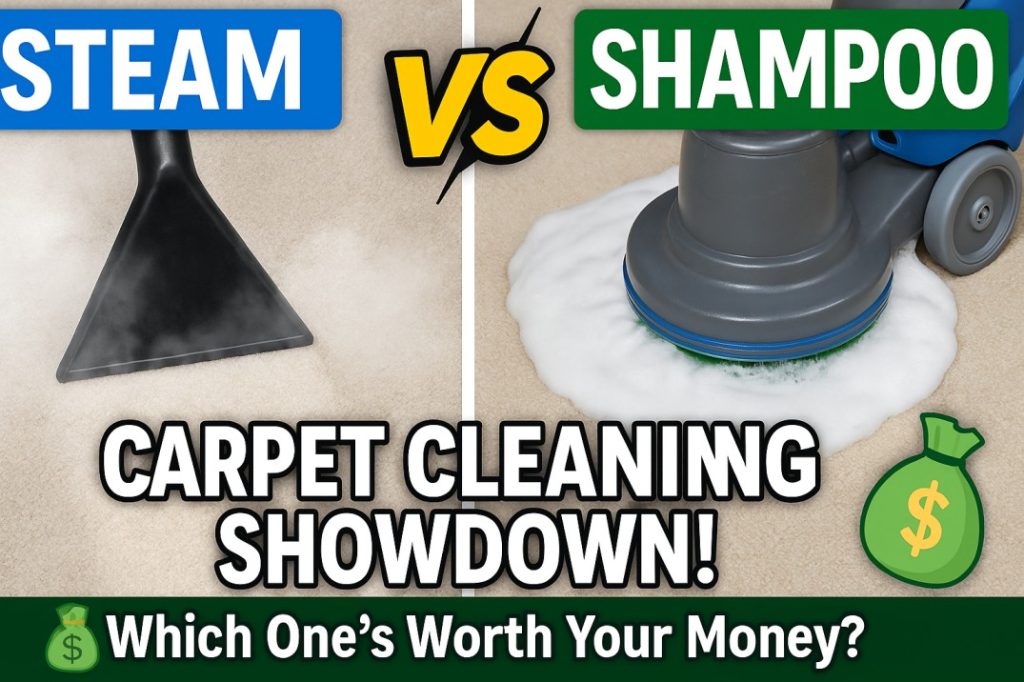
Understanding the Basics of Carpet Cleaning Carpets can be needy, but a little care keeps them cozy and clean! Here’s your quick guide to mastering carpet cleaning, blending simple steps with pro-level tricks. Vacuuming: The Daily Hero Vacuuming is your carpet’s best friend, sucking up dirt and dust before they settle in. Hit high-traffic spots often and use a HEPA-filter vacuum to trap allergens, boosting air quality. Spot Cleaning: Stain Slayer Spills happen—don’t sweat it! Blot (don’t rub) stains with a carpet-safe cleaner. Test it first in a hidden spot to avoid color mishaps. Act fast to keep stains from setting. Deep Cleaning: Spa Vibes For grime deep in the fibers, try steam cleaning, shampooing, or dry cleaning. Each suits different carpets—wool needs gentle care, synthetics can take more heat. Pros shine for tough jobs. When comparing steam cleaning carpets vs shampooing, choosing the right method depends on your carpet type and cleaning needs. What is Steam Carpet Cleaning? Steam cleaning sounds fancy, but it’s really just an aggressive hot water power move—and it works like a charm. Here’s the play-by-play: boiling water gets shot into your carpet at high pressure, shakes the grime loose, and then boom—dirty water gets sucked right back out. Poof. Gone. Like the evidence of last weekend’s red wine incident. It’s also called hot water extraction, which sounds clinical but hey—it gets the job done. No perfumes, no suds, no sketchy residue. Just heat and hustle. That temperature? It’s doing more than you think. Most household bacteria can’t handle the heat. Dust mites? Toast. Mildew? Bye. Follow us on social media for carpet cleaning tips, customer transformations, and seasonal maintenance updates. Facebook Yelp What is Shampoo Carpet Cleaning? It’s like, a really traditional way to deep clean. The basic idea is pretty straightforward: you take this mix of hot water and special cleaner, kind of like a shampoo for your carpet, and you get it deep down into the fibers. Machines, things like a carpet shampooer or sometimes an extractor, help work the solution in and really agitate the dirt loose. Then, they suck all that grimy water back up. It’s good for hitting those stubborn stains and generally getting things looking brighter. But, and here’s the thing, sometimes that process can leave behind a bit of residue, which, ironically, can make your carpet attract dirt faster after it’s clean. And honestly, drying time can be a drag, taking anywhere from a couple of hours to, like, overnight or longer depending on the method and the humidity. And hey, if you’re not careful, especially on certain carpet types like wool, the agitation could maybe rough up the fibers a little. But, overall, it’s a tried-and-true method for a serious clean when your carpets are looking pretty tired Key Differences Between Steam and Shampoo Cleaning When it comes down to getting your carpets truly clean, steam and shampoo might seem like cousins at a family reunion — similar, but very different once you get to know them. Both get the job done, but how they do it and what kind of messes they tackle best? Totally different stories. If you’re evaluating steam cleaning carpets vs shampooing, understanding how each method works can help you make a more informed decision. So if you’re standing there staring at your grimy living room carpet thinking, “Should I steam this or suds it up?” — here’s the breakdown you didn’t know you needed (but trust me, you do). Check out our verified Google reviews and local customer experiences through our Google Business Profile. Visit Our Shop Trusted by thousand of people & companies. Steam Squad Carpet & Upholstery Cleaners Long Island, NY 5.0 ⭐⭐⭐⭐⭐ (164 Google reviews) Phone: (516) 567-8966 steamsquad@gmail.com Long Island, New York Mon-Fri – 8am to 8pm. Sat/Sun – 9am-5pm View on Google 🧪 Cleaning Method: Firepower vs. Foam Steam Cleaning uses superheated water that gets injected deep into the carpet. It’s all about heat + suction = grime begone. Shampoo Cleaning leans on thick, foamy detergents scrubbed into the surface to trap and lift dirt. 💨 Drying Time: Fast vs. Forever Steam typically dries within 6 to 12 hours, depending on humidity and airflow. Shampoo can take 12 to 24 hours, sometimes longer if you overdo the soap or the rinse is weak. A damp carpet isn’t just annoying—it can invite mildew and bacteria like an uninvited dinner guest. So if you need to walk barefoot the same day? Steam’s got your back. 🧴 Chemical Use: Gentle Giant vs. Chemical Warrior Steam cleaning can be done with just water. Some pros toss in a mild cleaner, but usually, it’s all about the heat. Shampooing involves a cocktail of detergents, sometimes scented, often thick, and occasionally hard to rinse out. If you’ve got toddlers crawling around or a golden retriever that licks everything (even the carpet — why?!), less chemical residue is a big plus. 🌱 🧬 Depth of Clean: Surface vs. Subfloor Feature Comparison — Steam vs Shampoo Cleaning Quick look at how each method performs across key cleaning features. Feature Steam Cleaning 🔥 Shampoo Cleaning 🧼 Cleans Surface ✅ ✅✅✅ Cleans Deep Fibers ✅✅✅ ✅ Sanitizes (heat-based) ✅✅✅ ❌ (not really) Removes Allergens ✅✅✅ ✅ (somewhat) Steam actually kills off allergens, mold spores, and bacteria. Shampooing mostly moves dirt around unless it’s paired with a strong vacuum or rinse. 🎯 Stain & Smell Removal Steam is brilliant for odors, like pet pee or musty basement funk. The heat literally cooks it out. Shampooing works well on greasy spills and heavy grime. Think spaghetti sauce or motor oil from a dropped toolbox (yes, that happened in my uncle’s garage carpet). Steam vs. Shampoo Carpet Cleaning: Quick Comparison Table Steam Cleaning Carpets vs Shampooing — Quick Comparison Side-by-side comparison of safety, allergy impact, eco-friendliness, and performance in high-traffic areas. Category Steam Cleaning ✅ Shampoo Cleaning 🧴 Safer for Kids & Pets ✔ Yes — Uses only hot water; no chemicals left behind. Ideal for crawling babies and curious pets. ⚠ Risky — Often leaves chemical residue; not ideal for households with kids or pets rolling around on the floor.
Best Rug Cleaning Long Island: Top Services for Deep & Eco-Friendly Cleaning
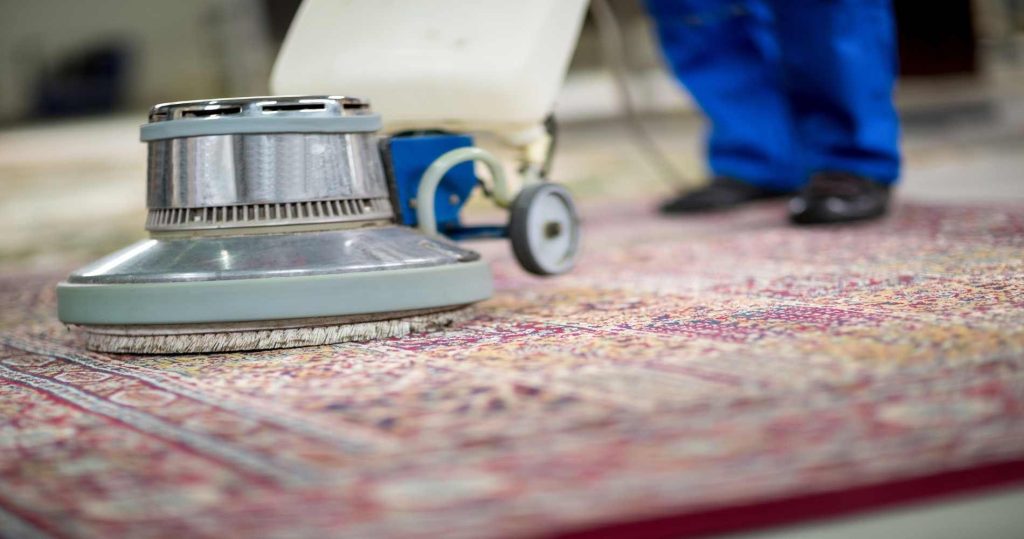
Looking for the best rug cleaning in Long Island? Professional rug cleaning services use advanced techniques like steam cleaning, hot water extraction, and dry cleaning to remove dirt, stains, and allergens. The top services in Long Island offer eco-friendly solutions, pet stain removal, and deep fiber cleaning to restore your rugs’ beauty and longevity What makes the best rug cleaning services in Long Island stand out: ✔ Deep cleaning methods (hot water extraction, dry cleaning, hand-washing)✔ Pet stain and odor removal 🐾✔ Eco-friendly, non-toxic solutions 🌿✔ Certified technicians & experienced professionals✔ Fast drying time & stain protection treatments Why Professional Rug Cleaning Matters Rugs do more than just add warmth and style to your home—they act as air filters, trapping dirt, allergens, and bacteria over time. While regular vacuuming helps, it’s not enough to remove deeply embedded grime or stubborn stains. That’s where professional rug cleaning services in Long Island come in. 🦠 The Hidden Dirt Lurking in Your Rugs Even if your rug looks clean, it likely harbors:✅ Dust mites and allergens – Common culprits behind allergies and respiratory issues✅ Pet dander and odors – Accumulated over time, making your home smell musty✅ Mold and mildew – A risk, especially in humid environments like Long Island✅ Embedded dirt and stains – Which vacuuming alone can’t remove 💡 Benefits of Professional Rug Cleaning Types of Rugs That Require Specialized Cleaning Different rug materials require different cleaning techniques. For example, Oriental rugs and Persian rugs have vegetable-dyed fibers that need hand-washing or low-moisture rug cleaning to prevent color bleeding. In contrast, synthetic rugs can withstand deep shampooing. If you’re in Long Island and own a high-end, antique, or delicate rug, knowing the right cleaning approach is crucial. 🛑 Why Some Rugs Need Special Care Not all rugs can be cleaned with the same process. Here’s why certain rugs require professional rug cleaning services in Long Island:✔ Delicate Fibers – Natural fibers like wool, silk, and cotton can shrink or weaken if exposed to harsh chemicals.✔ Handwoven & Antique Rugs – Intricate weaves can unravel or lose their original luster if mishandled.✔ Dye Sensitivity – Some rugs, especially Persian and Oriental ones, have vegetable-dyed patterns that can bleed.✔ Pet Stains & Odors – Standard cleaning won’t always eliminate deep-seated stains or pet odors. Common Rugs That Require Expert Cleaning Rug Care Cheatsheet: Material • Risks • Best Cleaning Protect color, fibers, and value with the right method for each rug type. Low-moisture pH-balanced Eco-friendly Use pros for delicate fibers Avoid over-wetting to prevent dye bleed/shrinkage 🧭 Oriental & Persian Rugs – A Timeless Investment Natural dyes Oriental and Persian rugs are often handwoven and naturally dyed, making them prone to fading if cleaned improperly. Professional cleaners use low-moisture rug cleaning methods and pH-balanced solutions to maintain their vibrancy. Best Cleaning Method: Hand washing or dry cleaning with eco-friendly solvents 🐑 Wool Rugs – Cozy but High Maintenance Allergy-aware Wool rugs are durable, but their dense fibers trap dirt, dust mites, and pet dander . They also absorb moisture quickly, increasing the risk of mold and mildew. Using the wrong cleaning method can cause shrinkage or fiber damage. Best Cleaning Method: Low-moisture steam cleaning or specialized wool-safe rug shampooing ✨ Silk Rugs – Luxurious Yet Fragile Delicate Silk rugs are ultra-soft and have a natural sheen, but they are extremely delicate . Water-based cleaning methods can weaken the fibers, and scrubbing can cause permanent damage. Best Cleaning Method: Professional dry cleaning or hand-washing with mild detergent 🐾 Synthetic Rugs – Easy to Clean but Prone to Odors Pet-friendly While nylon and polyester rugs are more stain-resistant, they can trap pet odors and residue from DIY rug cleaning attempts. Many synthetic rugs benefit from deep shampooing or hot water extraction. Best Cleaning Method: Steam cleaning or enzyme-based treatments for pet stains Best Rug Cleaning Methods Used in Long Island If you’re dealing with deep stains, pet odors, or trapped allergens, knowing the best cleaning options can help you make an informed decision. Let’s explore the most effective rug cleaning methods used in Long Island and why they matter. Rug Cleaning Methods – Tabs 1) Hot Water Extraction (Steam Cleaning) Best for Deep Cleaning. Uses high-pressure hot water to break down dirt, allergens, and stains deep within rug fibers. Overview Process Pros & Cons ✅Best for Synthetic rugs, wool rugs, and high-traffic area rugs ❌Not ideal for Silk, antique, or handwoven rugs 1 Pre-treat Eco-friendly solution loosens soils and spots. 2 Hot Water Injection Rinse with 200°F+ water under pressure. 3 Power Extraction Remove water, dirt, and bacteria. ✅ Pros ❌ Cons Removes deep dirt, dust mites, pet dander 🦠 Dries faster than traditional shampooing Non-toxic, biodegradable agents Over-wetting can cause mold if drying is poor Not for delicate silk/Persian rugs 2) Dry Cleaning Best for Delicate & Antique Rugs. Low-moisture method that minimizes color bleeding and fiber damage. Overview Process Pros & Cons ✅Best for Persian, Oriental, antique, and delicate fabric rugs ❌Not ideal for Heavily soiled rugs needing deep extraction 1 Apply Powder Low-moisture, pH-balanced compound distributed. 2 Soil Breakdown Compound absorbs oils and binds to dirt. 3 Vacuum Extraction Specialized vacuum lifts compound & soils. ✅ Pros ❌ Cons Safest for handwoven/antique pieces Fast dry times (often < 2 hours) Gentle on fragile fibers Less effective on deep stains/pet urine May not remove all bacteria/allergens 3) Hand-Washing Best for Antique & High-Value Rugs. Careful manual cleaning prevents color loss and fiber damage. Overview Process Pros & Cons ✅Best for High-value, antique, and handwoven rugs ❌Not ideal for Synthetic or modern rugs 1 Dusting Remove loose particles prior to wet work. 2 Gentle Wash Mild, pH-neutral detergent with soft brushes. 3 Cold Rinse Rinse to avoid shrinkage or dye run. ✅ Pros ❌ Cons Prevents color fading & fiber damage Extends rug lifespan (no harsh chemicals) Ideal for heirloom pieces Labor-intensive and costlier Longer drying than other methods 4) Deep Shampooing Best for Stubborn Stains & Odors. Effective for spills, pet accidents, and heavy traffic grime. Overview Process Pros & Cons ✅Best for Wool, high-pile, and synthetic rugs ❌Not ideal for Silk, antique, or delicate rugs 1 Shampoo Mild, biodegradable shampoo into fibers. 2 Gentle Agitation Lift soil and stains without damage. 3 Rinse & Extract
Long Island Grout Repair Cost: What to Expect in 2025
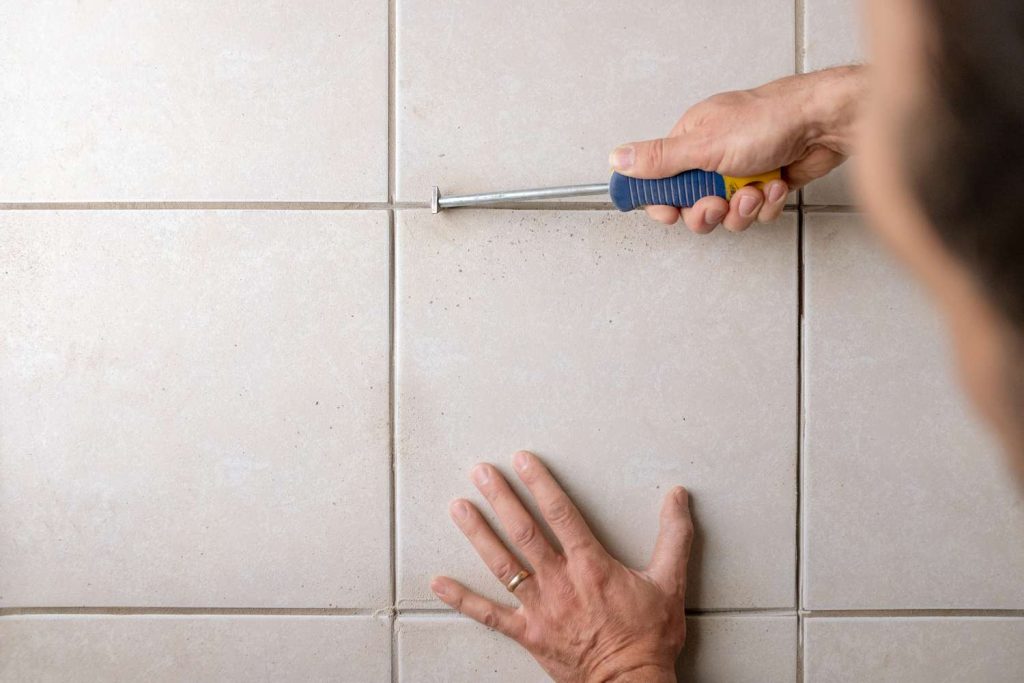
Table of Contents Long Island Grout Repair Cost: What to Expect in 2025 GOT DIRT? GOT STAINS? GOT STINK? GET STEAM SQUAD! CALL NOW! What You’ll Learn in This Guide: Understanding Grout Repair: Everything You Need to Know What is Grout and Why is It Important? Signs That Your Grout Needs Repair Average Grout Repair Costs in Long Island 2025 Tile & Grout Service Cost Guide Sources: Factors Affecting Grout Repair Cost in Long Island 1. Size of the Repair Area Grout Repair Costs by Area Size 2. Type of Grout Used Cost by Grout Type 3. Extent of Damage Costs by Extent of Damage 4. Labor Costs in Long Island Labor Costs in Long Island 5. Additional Services & Hidden Costs 6. Accessibility of the Area 7. Regional Pricing Trends in Long Island Practical Tips to Cut Costs on Grout Repair in Long Island Cleaning and Sealing Grout Preventing Moisture Damage Getting Multiple Quotes Checking Reviews and References What to Look for in a Professional Questions to Ask Before Hiring Pricing, Timeline, and Warranty Best Places to Find Reliable Grout Repair Services in Long Island Online Directories Local Recommendations Long Island Grout Repair Cost: What to Expect in 2025 GOT DIRT? GOT STAINS? GOT STINK? GET STEAM SQUAD! CALL NOW! What You’ll Learn in This Guide: Understanding Grout Repair: Everything You Need to Know What is Grout and Why is It Important? Signs That Your Grout Needs Repair Average Grout Repair Costs in Long Island 2025 Tile & Grout Service Cost Guide Sources: Factors Affecting Grout Repair Cost in Long Island 1. Size of the Repair Area Grout Repair Costs by Area Size 2. Type of Grout Used Cost by Grout Type 3. Extent of Damage Costs by Extent of Damage 4. Labor Costs in Long Island Labor Costs in Long Island 5. Additional Services & Hidden Costs 6. Accessibility of the Area 7. Regional Pricing Trends in Long Island Practical Tips to Cut Costs on Grout Repair in Long Island Cleaning and Sealing Grout Preventing Moisture Damage Getting Multiple Quotes Checking Reviews and References What to Look for in a Professional Questions to Ask Before Hiring Pricing, Timeline, and Warranty Best Places to Find Reliable Grout Repair Services in Long Island Online Directories Local Recommendations If you’re dealing with cracked, stained, or crumbling grout, you might be wondering how much it will cost to fix the problem. Grout repair in Long Island can vary in price depending on several factors, including the extent of the damage, grout type, and labor costs. Understanding the average grout repair cost can help homeowners budget more effectively before starting a repair project. What You’ll Learn in This Guide: ✔ Factors that affect grout repair costs (size, material, labor rates)✔ Average grout repair pricing in Long Island for 2025✔ DIY vs. professional grout repair – what’s more cost-effective?✔ Money-saving tips to reduce your grout repair expenses✔ How to find and hire the best grout repair specialist Understanding Grout Repair: Everything You Need to Know In this we’ll discuss what grout repair involves, why it’s essential, and how to make the best decision for your home or property. Whether you’re a DIY enthusiast or looking for professional grout repair services in Long Island, we’ve got you covered. Stay connected through our social media platforms for grout maintenance tips, repair updates, and project transformations. Facebook-f Yelp Google What is Grout and Why is It Important? Role of Grout in Tile Installation Grout isn’t just filler between tiles—it’s a key component in a tile system’s integrity. It helps: Lock tiles in place so they don’t shift or chip under pressure Fill gaps to prevent debris, dirt, and moisture from sneaking underneath tiles Absorb minor movement from temperature changes or substrate shifts As one tile manufacturer puts it, grout “keeps dirt and debris from getting in between or even under the tile” and “adds rigidity and strength to the tile installation.” Common Issues with Grout Even well-installed grout can degrade. Here are the frequent problems homeowners encounter: Porosity and Staining – Over time, cement-based grout absorbs stains, leading to discoloration Shrinkage or Cracking – Grout can crack under tension, especially in high-traffic or moisture-prone areas Loss of Adhesion – The bond between grout and tile can weaken, letting moisture penetrate Poor Initial Mixing or Curing – Incorrect ratios or drying methods lead to weak, brittle grout Signs That Your Grout Needs Repair Grout damage is not always immediately noticeable. Here are key warning signs that indicate you need grout repair or regrouting services in Long Island: ✅ Cracks and Crumbling Grout – Grout that has dried out and started breaking apart needs immediate attention.✅ Discoloration and Stains – If cleaning doesn’t restore the original color, it’s time to replace or seal the grout.✅ Mold and Mildew Growth – This indicates excessive moisture and poor ventilation. Mold-resistant grout solutions can prevent future issues.✅ Loose Tiles – Weak or missing grout can cause tiles to shift or detach, requiring both grout repair and tile realignment. Average Grout Repair Costs in Long Island 2025 Several factors can influence the final grout repair cost, including tile condition, moisture damage, and the size of the repair area. Based on the latest available data, here is a breakdown of average grout repair costs in Long Island, New York, for 2025: Tile & Grout Service Cost Guide Average costs per square foot for common grout and tile services, with notes on what each service includes. Service Type Average Cost per Sq. Ft. Notes Basic Grout Repair $3 – $25 Addressing minor cracks and surface-level discoloration. Full Regrouting $5 – $25 Complete removal and replacement of existing grout. Tile Repair $10 – $50 Repairing or replacing damaged tiles; costs vary based on tile type and extent of damage. Grout Cleaning $0.50 – $3.50 Professional cleaning to remove stains and mildew. Grout Sealing $0.50 – $1.50 Applying a sealant to protect grout from moisture and stains. Please note that these costs are averages and can vary based on factors such as the specific location
Why is Seasonal Carpet Cleaning Important for Protecting Your Floors Year-Round in Long Island?
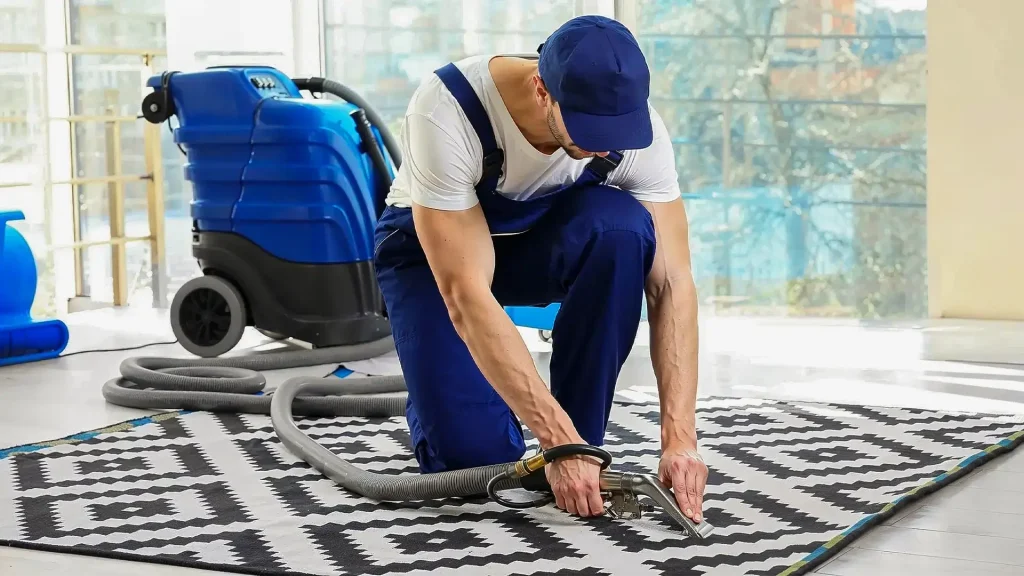
Table of Contents Carpet care isn’t a one-size-fits-all solution, especially in Long Island’s dynamic climate! From snowy winters to humid summers, your carpets face unique challenges throughout the year. Did you know that the average homeowner can extend their carpet’s life by up to 50% with proper seasonal maintenance? Seasonal Carpet Cleaning helps homeowners protect their carpets from weather-related damage while maintaining a cleaner indoor environment. In this guide, we’ll walk you through a comprehensive approach to protecting your floors, keeping them clean, fresh, and looking brand new Follow our social media channels for seasonal carpet care tips, cleaning updates, and real customer results. Facebook-f Yelp Google Winter Carpet Care Challenges in Long Island Winter in Long Island brings a beautiful blanket of snow, but it also presents unique challenges for homeowners when it comes to carpet care. Between salt, moisture, and tracked-in debris, your carpets face significant wear and tear during the colder months. Fortunately, with the right strategies, you can keep your carpets clean, fresh, and protected throughout the winter season. The Impact of Salt, Snow, and Moisture on Carpet Fibers Long Island winters mean heavy use of road salt, snow, and slush, all of which wreak havoc on carpets: Salt Residue: Salt can leave behind white, crusty stains that damage carpet fibers and weaken their structure. Moisture Damage: Wet boots and melted snow create excess moisture, leading to soggy carpets that can warp and attract mold. Stubborn Dirt: Dirt and debris cling to damp carpets, embedding deep into fibers and making it harder to clean. Solution: Schedule regular cleanings with professional carpet cleaners in Long Island to remove deep-set salt and moisture damage before it worsens. Preventing Winter Damage from Tracked-In Snow and Ice Stopping the problem at the door is the simplest and most effective way to protect your carpets during winter. Place Entry Mats at every exterior door. Choose durable, absorbent mats that can trap moisture and salt. Create a Shoe-Free Zone: Encourage family members and guests to remove shoes upon entering the home. Use a designated shoe rack or tray to keep the area tidy. Keep Spare Slippers: Providing cozy slippers for guests makes it easy to enforce the no-shoes policy. Pro Tip: Use double-layered mats—a rough outdoor mat to remove dirt and a softer indoor mat to absorb moisture. How to Deal with Salt Stains and Winter Debris Salt stains are inevitable, but they don’t have to be permanent. Here’s how you can tackle them: Vacuum First: Remove loose dirt and debris before treating the stain. Create a DIY Salt Solution: Mix one part white vinegar with two parts warm water. Apply and Dab: Use a clean cloth to gently blot the solution onto the stain. Avoid scrubbing, as it can damage the fibers. Dry Thoroughly: Pat the area dry with a towel and ensure proper ventilation to speed up drying. Combating Increased Indoor Humidity and Mold Risks Cold weather doesn’t just bring snow—it also means homeowners seal up their homes to keep warm. This often leads to higher indoor humidity, which can contribute to mold and mildew in carpets. Tips to Control Humidity: Use a dehumidifier in areas with high moisture, such as basements and entryways. Ventilate Your Home: Even in winter, crack open windows periodically to circulate fresh air. Run exhaust fans in rooms with carpets after snow-heavy days. Spring Carpet Renewal and Deep Cleaning Spring in Long Island is a time of renewal—a chance to clean out the old and prepare for the warm months ahead. After a long winter of salt, dirt, and moisture being tracked into your home, your carpets deserve some extra attention. Addressing the damage caused during winter is crucial to extend the life of your carpets and maintain a fresh, healthy indoor environment. Scheduling Seasonal Carpet Cleaning during spring can help remove winter buildup and refresh carpet fibers more effectively. Addressing Winter Buildup and Accumulated Dirt Winter in Long Island leaves carpets laden with salt residue, damp dirt, and slush remnants, all of which can get embedded deep into carpet fibers. The longer these contaminants sit, the harder they are to remove. Key Challenges of Winter Buildup: Salt stains weaken carpet fibers and leave unsightly white marks. Winter moisture encourages bacteria and mold growth. Embedded dirt and debris cause wear and tear as carpets are walked on. Quick Fix: Vacuum carpets thoroughly using a high-powered vacuum cleaner with a HEPA filter. This removes surface debris and prevents it from getting pushed further into the carpet. Why Professional Spring Deep Cleaning Matters A professional spring deep cleaning goes beyond what home vacuums can achieve. Trusted carpet cleaners in Long Island use specialized tools and techniques to lift embedded dirt, remove stains, and refresh your carpets. Benefits of Professional Cleaning: Salt and Stain Removal: Experts use advanced solutions to lift stubborn winter stains without harming carpet fibers. Moisture Extraction: Professionals can thoroughly dry carpets to prevent mold growth. Healthier Indoor Air Quality: Deep cleaning removes allergens, dust mites, and bacteria, improving air quality for your family. Did You Know? Carpets can hold up to four times their weight in dirt and allergens if not cleaned regularly. Spring is the perfect time to hit the reset button! Check our Google Business Profile to read verified customer reviews and local homeowner experiences. Visit Our Shop Trusted by thousand of people & companies. Steam Squad Carpet & Upholstery Cleaners Long Island, NY 5.0 ⭐⭐⭐⭐⭐ (164 Google reviews) Phone: (516) 567-8966 steamsquad@gmail.com Long Island, New York Mon-Fri – 8am to 8pm. Sat/Sun – 9am-5pm View on Google Techniques for Removing Salt and Winter Stain Residues Salt stains are a common issue in Long Island homes during winter. If left untreated, they can leave lasting damage. Here’s a simple, effective process to tackle them: Vacuum First: Remove loose salt and debris using a strong vacuum. Create a Vinegar Solution: Mix one part white vinegar with two parts warm water. Spot Clean: Dab the solution onto the salt stain with a