



Which Carpet Cleaners Long Island Offer the Best Value and Results for Your Home?

Table of Contents Comparing the Best Carpet Cleaners on Long Island: Which One is Right for You? GOT DIRT? GOT STAINS? GOT STINK? GET STEAM SQUAD! CALL NOW! Why You Need Professional Carpet Cleaning Enhancing Home Aesthetics Types of Carpet Cleaning Methods Dry Cleaning Shampooing Bonnet Cleaning Top Carpet Cleaners on Long Island 2024 1. Steam Squad Steam Squad Quote: Free Quote 2. Stanley Steemer Stanley Steemer Quote: Free Quote 3. Clean ‘n’ Fresh Clean ‘n’ Fresh Quote: Free Quote Comparing Features of Leading Carpet Cleaners How to Choose the Best Carpet Cleaner on Long Island Experience and Expertise Eco-Friendly Solutions Conclusion Comparing the Best Carpet Cleaners on Long Island: Which One is Right for You? GOT DIRT? GOT STAINS? GOT STINK? GET STEAM SQUAD! CALL NOW! Why You Need Professional Carpet Cleaning Enhancing Home Aesthetics Types of Carpet Cleaning Methods Dry Cleaning Shampooing Bonnet Cleaning Top Carpet Cleaners on Long Island 2024 1. Steam Squad Steam Squad Quote: Free Quote 2. Stanley Steemer Stanley Steemer Quote: Free Quote 3. Clean ‘n’ Fresh Clean ‘n’ Fresh Quote: Free Quote Comparing Features of Leading Carpet Cleaners How to Choose the Best Carpet Cleaner on Long Island Experience and Expertise Eco-Friendly Solutions Conclusion With so many companies promising spotless results, how do you choose the one that meets your needs? Here, we’ve broken down the best carpet cleaners on Long Island, exploring their services, specialties, and what you can expect from each. If you’re searching for reliable carpet cleaners on Long Island, this guide will help you compare top options and make the right choice. Why You Need Professional Carpet Cleaning Whether you’re dealing with stains, pet hair, or just everyday wear, a top-rated carpet cleaning service on Long Island can make a noticeable difference. Follow our social media pages for carpet care tips, cleaning updates, and real customer transformations. Facebook-f Yelp Google Health Benefits of Clean Carpets Believe it or not, carpets can trap a ton of allergens and pollutants. Reduce Allergies and Asthma: If anyone in your household has allergies or asthma, regular cleaning by a trusted carpet cleaner can lessen symptoms. Remove Bacteria and Germs: Carpets can be a breeding ground for bacteria. With professional cleaning, you’ll get rid of more than just dirt—you’re removing harmful microbes Improve Indoor Air Quality: Clean carpets mean cleaner air, especially if the cleaning process includes eco-friendly products that won’t leave behind harsh chemicals. Prolonging Carpet Life Replacing a carpet is a big investment, and regular, professional cleanings help extend that life. Protect Your Investment: Quality carpets are pricey, so keeping them in good shape protects that investment. Prevent Wear and Tear: Dirt, grit, and other abrasive particles wear down carpet fibers over time.Professional cleaners use specialized types of equipment clean the carpet without damaging the fiber. Enhance Stain Resistance: Professional cleaners can apply treatments that make your carpet more stain-resistant, protecting against future spills. Enhancing Home Aesthetics A clean carpet uplifts the whole room. It’s that extra detail that makes a space feel cozy, fresh, and put-together. Restore Carpet’s Original Look: Professional cleaning brings vibrancy back to your carpet’s colors and patterns, making it look almost new. Improve First Impressions: If you’re hosting guests or even thinking about selling your home, clean carpets can create a positive impression. Types of Carpet Cleaning Methods The best carpet cleaners Long Island often offer multiple methods, giving you the flexibility to choose what’s best for your home. Leading carpet cleaners on Long Island provide a range of cleaning techniques tailored to different carpet types and cleaning needs. Steam Cleaning (Hot Water Extraction) Steam cleaning, also known as hot water extraction, is one of the most thorough and effective methods of carpet cleaning. Deep Clean: This method uses hot water and powerful suction to extract dirt, allergens, and bacteria from deep within the carpet fibers. Longer Drying Time: After cleaning, carpets need several hours to dry completely, which might be a consideration if you need a quick turnaround. Eco-Friendly Option: Since steam cleaning relies primarily on water and heat, it can be a more eco-friendly choice compared to chemical-heavy methods. Dry Cleaning Dry cleaning is a convenient option for those who want their carpets cleaned quickly without a long wait time for drying. Low Moisture: This method uses a specialized cleaning powder that is applied to the carpet, then worked into the fibers to lift dirt. Good for Light Soil and Maintenance: Dry cleaning works well for routine maintenance or light soil, though it may not be as effective as steam cleaning for deep-set stains. Convenient for Busy Homes: Dry cleaning is a great option if you have high foot traffic or need to use the carpeted area soon after cleaning. Learn more about dry cleaning for carpets Shampooing Shampooing is one of the oldest methods of carpet cleaning and is effective for removing stubborn stains. Effective on Heavy Stains: This method applies a foamy shampoo to the carpet, which is scrubbed in using a machine. Residual Build-Up Risk: Without proper rinsing, shampooing can leave behind a residue that attracts dirt, making carpets appear dirty faster. Bonnet Cleaning Bonnet cleaning, also known as “surface cleaning,” is popular in commercial spaces and offices due to its quick application and drying time. Quick Cleaning for Surface Dirt: A rotating pad, soaked in cleaning solution, is used to scrub the carpet’s surface, absorbing dirt along the way. Not for Deep Stains: Since it’s a surface-level cleaning method, bonnet cleaning isn’t ideal for carpets with deep stains or embedded dirt. Fast Drying Time: One of the main advantages is its speed; carpets can be back in use in no time, which is why it’s a go-to for businesses and high-traffic areas. Explore more about bonnet cleaning techniques Top Carpet Cleaners on Long Island 2024 Here’s a detailed comparison of three prominent providers: Steam Squad, Stanley Steemer, and Clean ‘n’ Fresh. These carpet cleaners Long on Island stand out for their service quality, customer satisfaction, and reliable
How to Find the Perfect Shower Grout Cleaning Service in Long Island?

Keeping your shower grout clean might seem like a small task, but anyone who has dealt with grimy, stained grout knows it can make or break the look of your bathroom. Long Island residents face unique challenges when it comes to maintaining clean grout, thanks to a humid coastal environment. Today, we’ll walk through everything you need to know about shower grout cleaning in Long Island, from DIY tips to when you should call in the pros. Professional shower grout cleaning helps remove deep stains, mold, and buildup that regular scrubbing often cannot fully eliminate. Why Is Shower Grout Cleaning Important? Keeping your shower grout clean is about more than just making your bathroom look nice. Dirty grout can create bigger problems that you might not even think about at first. Regular shower grout cleaning can help maintain a healthier and more hygienic bathroom environment. Follow our social media channels for bathroom cleaning inspiration, grout care tips, and before-and-after cleaning results. Facebook-f Yelp Google Grout is Porous, and That’s a Problem Grout is naturally porous. This means it easily absorbs moisture, dirt, and soap scum over time. In a humid environment like a shower, especially in a coastal area like Long Island, grout becomes a perfect breeding ground for bacteria, mold, and mildew. Health Risks of Dirty Grout Did you know that dirty grout isn’t just an eyesore? It can actually be a health hazard. If mold and mildew build up in your grout, they can release spores into the air, which may cause allergies, respiratory issues, and other health problems. Mold spores can trigger asthma attacks and allergic reactions. Bacteria buildup in dirty grout can contribute to a less hygienic bathroom environment. Long-term exposure to mold can even lead to more serious health conditions. Improves the Look and Value of Your Bathroom Let’s be honest, no one likes the look of dirty, stained grout. It doesn’t matter how clean your shower tiles are—if the grout is grimy, the whole bathroom can feel old and uninviting. Clean grout instantly brightens your bathroom. It creates a polished and inviting atmosphere. Potential buyers or tenants are more likely to be impressed with a clean, well-kept shower area. Common Causes of Grout Stains in Showers If you’ve ever noticed dark, grimy stains creeping into your shower grout, you’re not alone. These stains can make an otherwise sparkling bathroom look dull and unclean. But what causes them? Mold and Mildew Growth – The Most Common Culprit Mold and mildew love to grow in damp, warm environments—just like your shower. Why does it happen?Every time you shower, water and steam fill the air, raising the humidity levels in your bathroom. If the area isn’t properly ventilated, this moisture lingers, allowing mold and mildew to settle into the grout. What does it look like?Mold typically appears as small, dark spots, while mildew may look powdery and white. How to prevent it?Keep your bathroom well-ventilated. Open windows, turn on exhaust fans, or even use a dehumidifier Soap Scum – A Sticky Situation Another major reason for grout stains is soap scum. When soap mixes with water, especially hard water, it forms a film that sticks to your shower tiles and grout. Why does it happen?Long Island is known for its hard water, which contains higher levels of minerals like calcium and magnesium. What does it look like?Soap scum often appears as a cloudy, white or yellowish film on your tiles and grout. How to prevent it?Use liquid soap instead of bar soap, as it produces less residue. Regularly clean your shower tiles and grout with a mixture of vinegar and water, which helps break down soap scum. Hard Water Stains – A Hidden Problem Hard water doesn’t just contribute to soap scum; it also leaves behind mineral deposits that stain grout. Why does it happen?When hard water dries on your shower tiles, it leaves behind mineral deposits that can settle into the grout and slowly discolor the grout. What does it look like?Hard water stains can appear as white, chalky residue on the grout. How to prevent it?The easiest way to prevent hard water stains is to wipe down your shower after each use. DIY Shower Grout Cleaning Tips for Long Island Residents If you’re living in Long Island, where humidity and hard water can be big factors, these tips will be especially handy. Consistent shower grout cleaning also helps prevent long-term discoloration and moisture damage in grout lines. Homemade Cleaning Solutions – Simple and Effective You don’t need to spend a fortune on fancy cleaning products to get your grout looking fresh. In fact, some of the best solutions can be made with items you already have at home. Baking Soda and VinegarThis dynamic duo is a grout-cleaning powerhouse. The baking soda acts as a gentle abrasive, while the vinegar helps break down dirt and grime. How to use it: Mix baking soda with a little water to form a paste, then apply it to the grout lines. Hydrogen Peroxide and Baking SodaFor tougher stains, hydrogen peroxide offers a little more cleaning muscle. How to use it: Mix baking soda and hydrogen peroxide to create a thick paste. Apply to the grout, let it sit for about 10-15 minutes Lemon JuiceWant to freshen up your grout with a natural disinfectant? Lemon juice is a great option. How to use it: Squeeze fresh lemon juice directly onto the grout, let it sit for 10 minutes. Essential Tools You Need for Grout Cleaning When it comes to cleaning grout, the right tools can make all the difference. Stiff-Bristled BrushThe number one tool you’ll need is a stiff-bristled brush. Spray BottleYou’ll need a spray bottle to apply your homemade solutions evenly across the grout lines. GlovesCleaning grout can get messy, and you don’t want to be scrubbing with bare hands. Microfiber ClothsAfter you’ve scrubbed and rinsed your grout, you’ll want to dry everything off with a microfiber cloth. Step-by-Step Cleaning Process Now that you’ve got your cleaning solutions
Mastering the Art of Oriental Rug Cleaning: Tips for Long Island Homeowners

Table of Contents Mastering the Art of Oriental Rug Cleaning: Tips for Long Island Homeowners GOT DIRT? GOT STAINS? GOT STINK? GET STEAM SQUAD! CALL NOW! The Unique Appeal of Oriental Rugs Preserving the Rug’s Beauty When DIY Cleaning Makes Sense Top Techniques for Cleaning Oriental Rugs on Long Island, NY Choosing the Right Professional Rug Cleaner in Long Island, NY Questions to Ask Your Rug Cleaner FAQ’S Mastering the Art of Oriental Rug Cleaning: Tips for Long Island Homeowners GOT DIRT? GOT STAINS? GOT STINK? GET STEAM SQUAD! CALL NOW! The Unique Appeal of Oriental Rugs Preserving the Rug’s Beauty When DIY Cleaning Makes Sense Top Techniques for Cleaning Oriental Rugs on Long Island, NY Choosing the Right Professional Rug Cleaner in Long Island, NY Questions to Ask Your Rug Cleaner FAQ’S When you walk into a room and see an Oriental rug, it’s like stepping into another world. These rugs aren’t just floor coverings; they’re stories woven into fabric. Each thread tells a tale of artistry, culture, and tradition, bringing warmth and character to your home. Professional oriental rug cleaning on Long Island services help preserve the beauty and lifespan of these delicate handmade rugs. The Unique Appeal of Oriental Rugs Oriental rugs have a distinct charm. Their intricate patterns, vibrant colors, and rich textures can transform any space, adding a touch of elegance and history. Handwoven Beauty: Every Oriental rug is unique because it’s made by hand. Skilled artisans spend months, sometimes years, crafting these rugs, knot by knot. Rich History: The designs on Oriental rugs often have deep cultural significance. From the geometric patterns of Persian rugs to the floral motifs of Turkish carpets, each symbol and color has a story to tell. Explore our social media pages to see rug restoration results, cleaning insights, and expert care tips for delicate rugs. Facebook-f Yelp Google Materials Matter: The Foundation of Your Rug The magic of an Oriental rug begins with its materials. Wool: Wool is the most common material used in Oriental rugs. It’s durable, soft, and has natural stain resistance. Silk: Silk adds a level of luxury and sheen to a rug that wool can’t quite match. The fibers are delicate, often used to highlight intricate details in the design. Cotton: Often used as the foundation, or warp, cotton provides stability to the rug, ensuring it maintains its shape over time. The Art of Crafting Oriental Rugs The process of making an Oriental rug is nothing short of art. Knot Density: The quality of an Oriental rug is often measured by its knot density. More knots per square inch mean a finer, more detailed design. Natural Dyes: Traditional Oriental rugs use natural dyes derived from plants, minerals, and insects. These dyes give the rugs their vibrant, lasting colors. Why Regular Cleaning Is Essential Over time, without proper care, even the most stunning Oriental rug can lose its luster. That’s why regular oriental rug cleaning isn’t just a good idea—it’s essential. Preserving the Rug’s Beauty Brighten Colors: Over time, dirt and grime can make even the brightest rug look dull. Regular cleaning brings those colors back to life, making the reds more vibrant, the blues richer, and the golds more lustrous. Restore Patterns: The intricate designs that define your Oriental rug can become obscured by a layer of dust. Cleaning helps restore these patterns, making them pop once again. Preventing Allergens and Health Issues You know that cozy feeling when you curl up on your rug with a good book or when your kids play on it? It’s comforting, right? But what if I told you that beneath the surface, your rug could be hiding allergens like dust mites, pet dander, and pollen? These particles can trigger allergies, especially in sensitive individuals, making regular cleaning not just a cosmetic need but a health necessity. Extending the Lifespan of Your Rug Oriental rugs are more than just decorative pieces—they’re investments. Whether passed down through generations or newly purchased, these rugs hold both monetary and sentimental value. Prevent Wear and Tear: Every step on a dirty rug grinds dirt into the fibers, causing them to wear out faster. Cleaning removes this dirt, preserving the rug’s structural integrity. Save on Repairs: A well-maintained rug is less likely to need costly repairs. By keeping it clean, you avoid the fraying, holes, and other damage that can result from neglect. Professional vs. DIY Cleaning: Which Is Right for Your Oriental Rug? When it comes to keeping your Oriental rug in top shape, the choice between professional cleaning and doing it yourself can be tricky. Let’s break it down so you can decide what’s best for you and your beautiful rug. The Case for Professional Cleaning On Long Island, where homes are often filled with prized furnishings, trusting your rug to a pro is like giving it a spa day—refreshing, deep, and thorough. Experienced oriental rug cleaning on Long Island where professionals use specialized techniques designed for delicate and antique rugs. Expertise You Can Trust: Professional cleaners have years of experience dealing with delicate Oriental rugs Specialized Equipment: Professionals use high-quality, specialized equipment designed to clean without damaging your rug. Safe Cleaning Solutions: When it comes to cleaning solutions, pros don’t mess around with harsh chemicals. They use eco-friendly products that protect both your rug and the environment. When DIY Cleaning Makes Sense On the other hand, if you enjoy rolling up your sleeves and tackling projects yourself, DIY cleaning can be satisfying. Cost-Effective: DIY cleaning saves you the cost of hiring a professional. All you need are the right tools, a bit of knowledge, and some elbow grease. Convenience: You can clean your rug on your schedule, without having to wait for an appointment or deal with the hassle of transporting your rug to a cleaner. Quick Spot Treatments: For minor spills or stains, DIY cleaning is perfect. Grab a cloth, blot the area, and apply a mild cleaning solution. It’s quick, and you’re in
DIY vs. Professional Tile Cleaning: The Ultimate Guide for Long Island Homeowners

Table of Contents DIY vs. Professional Tile Cleaning: The Ultimate Guide for Long Island Homeowners GOT DIRT? GOT STAINS? GOT STINK? GET STEAM SQUAD! CALL NOW! Understanding DIY Tile Cleaning Step-by-Step DIY Tile Cleaning Process Understanding Professional Tile Cleaning Comparing Effectiveness: DIY vs. Professional When to Choose DIY Tile Cleaning Conclusion DIY vs. Professional Tile Cleaning: The Ultimate Guide for Long Island Homeowners GOT DIRT? GOT STAINS? GOT STINK? GET STEAM SQUAD! CALL NOW! Understanding DIY Tile Cleaning Step-by-Step DIY Tile Cleaning Process Understanding Professional Tile Cleaning Comparing Effectiveness: DIY vs. Professional When to Choose DIY Tile Cleaning Conclusion Cleaning tiles might not be the most exciting household chore, but it’s essential for maintaining a healthy and attractive home. If you live in Long Island, you’ve probably wondered whether to tackle this task yourself or hire a professional. Let’s explore into the pros and cons of DIY vs. professional tile cleaning to help you make an informed decision. Understanding DIY Tile Cleaning Tile cleaning might not be the first thing on your to-do list, but if you live in Long Island, you know how essential it is to keep those tiles sparkling. Whether it’s your kitchen, bathroom, or living room, clean tiles make a massive difference in the look and feel of your home. So, what exactly does it take to clean tiles yourself? Let’s dive in. What is DIY Tile Cleaning? DIY tile cleaning is all about rolling up your sleeves and tackling the grime and dirt yourself. It’s about using everyday tools and materials you likely already have at home. Imagine the satisfaction of seeing your tiles gleam after some elbow grease—there’s nothing quite like it. Common Tools and Materials To get started with DIY tile cleaning, you don’t need a truckload of supplies. Here’s a simple list: Scrub Brushes: These are your main weapons. A sturdy scrub brush can reach into the grout lines where dirt loves to hide. Sponges: Great for wiping down tiles after scrubbing. They help remove any leftover cleaning solution. Cleaning Solutions: Vinegar and baking soda are your best friends here. They’re natural, non-toxic, and effective. Buckets and Mops: For rinsing and drying your tiles. A good mop can help you finish the job quickly. Grout Cleaners: These are essential for tackling the tough stains in grout lines. You can find them at any home improvement store. Step-by-Step DIY Tile Cleaning Process Preparation: First things first, gather all your tools and materials. Make sure you have everything at hand to avoid interruptions. Initial Cleaning: Sweep or vacuum the area to remove loose dirt. You don’t want to be scrubbing mud into your tiles. Apply Cleaner: Mix your vinegar and water solution (a ratio of 1:1 works great) and apply it to the tiles. For tougher stains, sprinkle baking soda first, then spray the vinegar solution. Scrubbing: Use your scrub brush to work the solution into the tiles and grout. This part can be a bit tiring, but think of it as a workout! Rinse and Dry: Rinse the area with clean water to remove any residue. Finally, dry the tiles with a towel to prevent water spots. Pros and Cons of DIY Tile Cleaning Pros of DIY Tile Cleaning Cost-Effectiveness Let’s start with the most obvious perk: saving money. When you tackle tile cleaning on your own, you’re cutting out the middleman—no need to pay for professional services. Imagine a Sunday afternoon, you’ve got your favorite playlist on, and you’re ready to clean. All it takes is a few bucks for supplies like vinegar, baking soda, and maybe a good scrub brush. You’ll find most of these items already lying around your house. Convenience and Flexibility The beauty of DIY tile cleaning is that you can do it whenever you want. Got a spare hour after work? Grab your mop and get to it. There’s no need to schedule an appointment or wait for a service provider to show up. It’s all on your time. Immediate Results There’s an immediate sense of gratification when you see the results of your hard work. You might start with dull, grimy tiles, but after a good scrub, they shine like new. It’s like giving your home a mini-makeover. The feeling of accomplishment is undeniable. You stand back, admire your handiwork, and maybe even feel a little proud of yourself. Cons of DIY Tile Cleaning Time-Consuming Now, let’s talk about the time commitment. DIY tile cleaning can eat up a good chunk of your day. If you’ve got a busy schedule, fitting in this task can be tricky. Sometimes, what seems like a quick job can turn into hours of scrubbing, rinsing, and drying. And let’s be real, not everyone has that kind of time or energy. Potential for Improper Cleaning Without the right knowledge or tools, it’s easy to make mistakes. Maybe you use too much cleaning solution and end up with a sticky residue, or perhaps you scrub too hard and damage the tiles. The line between clean and ruined can be thin. Risk of Damage to Tiles Speaking of damage, there’s always a risk when you’re not sure what you’re doing. Certain chemicals can be too harsh for some types of tiles. Scrubbing too hard can scratch the surface, and using the wrong tools can crack or chip the tiles. It’s a delicate balance. Understanding Professional Tile Cleaning What is Professional Tile Cleaning? Professional tile cleaning isn’t just about getting someone else to do the dirty work—it’s about getting it done right. Imagine hiring a skilled artisan to restore a masterpiece. Professionals bring expertise, specialized equipment, and a touch of magic that can transform your tiles from drab to fab. Equipment and Techniques Used Professional tile cleaners don’t just show up with a mop and bucket. No, they come equipped with industrial-grade tools and products that you likely won’t find at your local hardware store. High-Pressure Steam Cleaners: These machines blast away grime and bacteria with scalding steam, reaching into the deepest crevices.
The Ultimate Guide to Upholstery Cleaning in Long Island: Costs, Benefits, and Tips for 2024
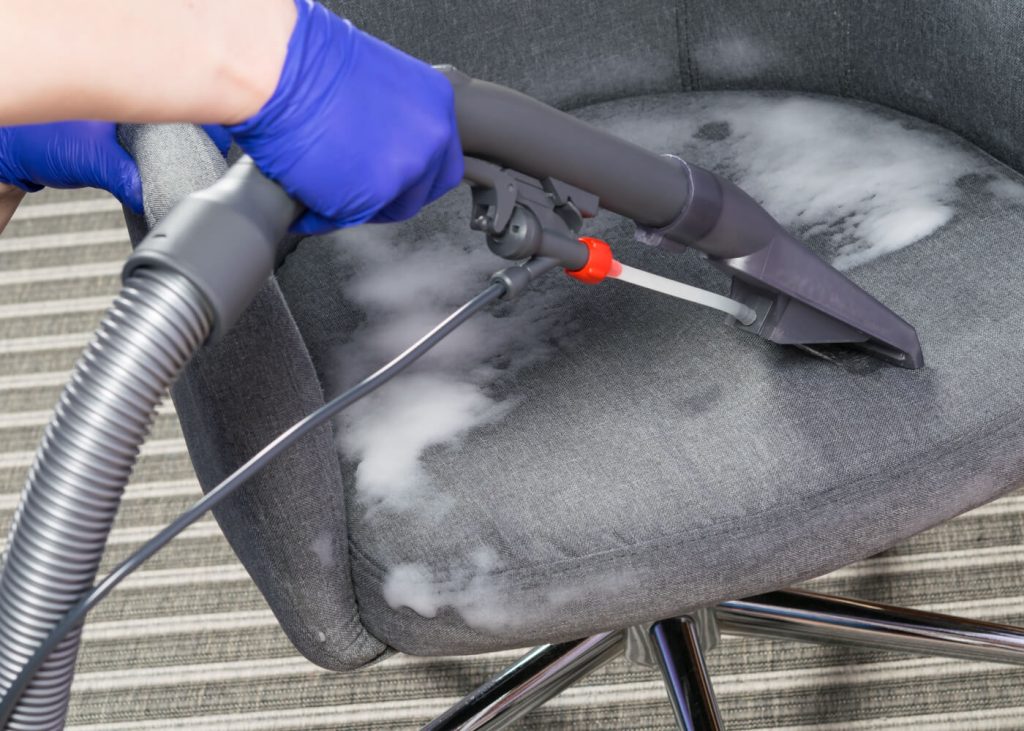
Table of Contents When was the last time you thought about the cleanliness of your furniture? Upholstery cleaning might not be the first thing on your to-do list, but it’s more important than you think. Keeping your furniture clean not only enhances the look of your home but also promotes a healthier living environment. If you’re in Long Island, NY, understanding the costs and benefits of professional upholstery cleaning can help you make informed decisions for 2024. Why Upholstery Cleaning is Essential in Long Island Health & Hygiene Over time, fabrics collect microscopic particles: dust, pollen, pet hair, even food crumbs that fell off the kids’ snacks. These can turn into irritants, especially if you live in Nassau or Suffolk and carry the humid Long Island air inside. A proper clean — whether by professional upholstery cleaners Long Island or a strong DIY effort — helps restore cleaner air and fewer trigger symptoms. (See how pro cleaners emphasise allergen removal in their process.) Things you can’t always see: a faint musty smell, a slightly limp cushion, the sinking feeling you get when you sit and it doesn’t feel quite comfortable. These are cues that your furniture’s overdue for deep service. 🎨 Appearance, Comfort & Longevity A freshly cleaned couch glows with color again, the fabric feels smoother under your fingers, and the living room feels more inviting. That’s the effect of furniture cleaning Long Island done right. Think of dirt and oils as sandpaper for your upholstery. Over time they grind down fibers, flatten the texture, make wash-wear fabric look older. Investing in timely cleaning is like giving your furniture a spa day — it lives longer, looks better, costs less than replacing. If you’re comparing Long Island upholstery cleaning prices, don’t just look at cost — look at results. A slightly higher fee that includes stain-and-odor treatment, fabric protector, and quick-dry service can be more cost-effective long term. 📍 Local Comfort for Long Island Homes Long Island homes often have additional factors — pets who roam the sofas, kids who watch movies with snacks, the salt-air breeze from the coast that brings in tiny particles that settle indoors. All these influence how often you’ll need cleaning. When you choose a credible local service, you’re getting someone who knows the neighborhoods, understands the fabrics common in Long Island homes (e.g., microfiber, leather, linen blends) and can give honest advice on cost and method. Factors Affecting Upholstery Cleaning Costs 1. Type of Fabric The fabric determines both the cleaning technique and the time required. Cotton & Microfiber: Affordable and common — usually easy to clean. Linen & Wool: Require delicate, low-moisture methods to prevent shrinkage. Leather: Needs special conditioners and pH-balanced cleaners to avoid cracking. 📍 Local Note: Many Long Island homes use microfiber or blended upholstery because it handles humidity better — saving costs on deep cleaning compared to silk or wool. 2. Size & Complexity of the Furniture The bigger the furniture, the higher the price — simple math. A single armchair may cost around $45–$75. A three-seater sofa ranges from $90–$190. Large sectionals or chaise lounges can reach $250 or more, especially with fabric protection add-ons. 💡 Tip: If your furniture has intricate detailing, buttons, or curves, cleaners spend more time working around them — and that adds to labor costs. 3. Level of Soiling & Stains That faint wine ring or deep pet odor? Those require pre-treatment. Lightly used furniture: Quick clean, lower cost. Heavily soiled items: Deep cleaning with multiple passes. Pet hair or smoke odor: Expect an odor-removal surcharge. 4. Cleaning Method Used Different methods carry different price tags: Upholstery Cleaning Methods and Average Costs Cleaning Method Average Cost (per item) Best For Steam / Hot Water Extraction $100–$200 Deep cleaning, synthetic fabrics Dry Solvent Cleaning $120–$250 Delicate fabrics (silk, linen, wool) Low-Moisture / Carbonation Cleaning $90–$160 Quick-dry, eco-friendly option Encapsulation Cleaning $80–$130 Routine maintenance Different Types of Upholstery Cleaning Services and How They Work 1. Steam Cleaning (Hot Water Extraction) This is the powerhouse of the industry — and for good reason.Professionals inject hot water mixed with a gentle detergent into your furniture fabric, then immediately extract it with high suction. The result? Deep-cleaned fibers, minimal residue, and that satisfying “fresh” smell that lingers for days. Best For: Synthetic fabrics (microfiber, polyester, nylon) Families with pets, kids, or allergies Average Cost:💲 $90–$200 per item Technical Edge: Uses HEPA filtration vacuums and steam injection tools for a deeper, allergen-free clean. Local Credibility: Many local experts like Steam Squad Long Island use this eco-friendly, steam-based approach. 2. Dry Solvent Cleaning A premium option for delicate or moisture-sensitive fabrics.Instead of water, this process uses specialized solvents that dissolve dirt without soaking the fabric. Think of it as “dry cleaning” for your couch. Best For: Natural fibers like wool, silk, or linen Antique or high-end furniture Average Cost:💲 $120–$250 per item Upside: No drying time — perfect for households that can’t afford long downtime. 3. Low-Moisture / Carbonation Cleaning If steam cleaning is the heavy hitter, carbonation cleaning is the precision tool. It uses micro-bubbles of carbon dioxide to lift dirt to the surface, where it’s easily vacuumed away. Best For: Lightly soiled upholstery Quick maintenance between deep cleans Average Cost:💲 $80–$160 per item Why Long Island Loves It: It’s fast, gentle, and leaves little moisture behind — ideal for coastal humidity. Bonus: Brands like Crystal Chem-Dry Long Island specialize in this patented method. 4. Foam or Shampoo Cleaning An old-school but reliable method. A foaming detergent is applied to the upholstery, scrubbed gently, and then extracted once dry. Best For: Sturdy, colorfast fabrics Heavily soiled furniture Average Cost:💲 $70–$140 per item 🧼 Clean Insight: This method is often paired with a Scotchgard fabric protector for an extra layer of spill resistance — a worthwhile add-on if your kids treat the couch like a jungle gym. 5. Encapsulation Cleaning A modern, budget-friendly option where polymers encapsulate (or “trap”) dirt particles, which are then vacuumed away after
Understanding Carpet Cleaning Costs in Long Island, NY: A Comprehensive Guide
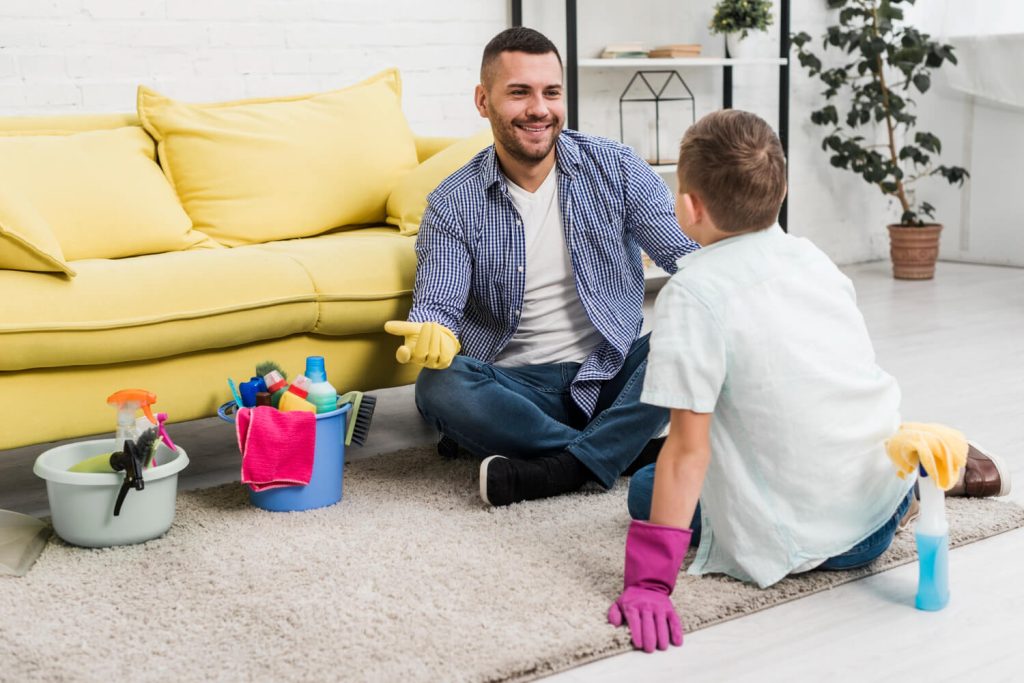
Table of Contents Carpet cleaning doesn’t have to be a daunting or expensive task. Whether you’re in Suffolk County or Nassau County, understanding the right cleaning methods, cost-saving tips, and when to hire professional cleaning can make all the difference. In this guide, we’ll cover: The best carpet cleaning methods, including steam cleaning and eco-friendly options 🌿. Proven ways to save on carpet cleaning costs without compromising quality. How to choose the best Long Island services for your unique needs. Factors Influencing Carpet Cleaning Costs When it comes to carpet cleaning, the price tag can vary significantly depending on a range of factors. Understanding these variables can help you make informed decisions, whether you’re considering professional cleaning in Suffolk County or Nassau County. Carpet Size and Area to Be Cleaned 📏 How It Affects Costs: Larger carpets or extensive areas naturally cost more to clean because of the additional time, labor, and cleaning solutions required. Example: A single 12×12 room might cost around $50–$100, while cleaning an entire house could range from $150 to $300. Pro Tip: Focus on high-traffic areas if you’re on a budget, as these are the most visibly worn. Carpet Condition and Dirt Level 🧹 Why It Matters: Heavily soiled carpets or those with set-in stains take longer and require specialized treatments, increasing the overall cost. Example: A lightly used bedroom carpet might only need a quick pass with steam cleaning, while a mud-stained hallway could require deep hot water extraction 💦. Pro Tip: Regular maintenance, like vacuuming and spot cleaning, can keep dirt levels low and reduce the need for intensive cleaning. Fabric Type and Carpet Material 🌿 Impact on Cost: Delicate materials like wool or silk often require specialized, eco-friendly cleaning methods to prevent damage. Synthetic carpets, like nylon or polyester, are more durable and typically cheaper to clean. Example: Cleaning a wool rug might cost 30%–50% more than cleaning a synthetic one due to the care required. Pro Tip: Always inform your cleaner about the carpet material so they can use the appropriate method. Cleaning Method Used 🧼 Why It Matters: The method of cleaning can greatly influence costs. Steam Cleaning: Ideal for deep cleaning but typically costs more due to equipment and drying time. Dry Cleaning: Quicker and cheaper but may not clean as thoroughly. Eco-Friendly Cleaning 🌿: Often slightly more expensive but safer for homes with kids or pets. Example: Expect to pay $100–$200 for steam cleaning a living room, compared to $80–$150 for dry cleaning. Pro Tip: Choose a method that matches your carpet condition and your needs for efficiency or thoroughness. Stain Removal and Special Treatments 🧽 Added Costs: Removing tough stains, such as wine, coffee, or pet urine, can cost an additional $25–$50 per stain. Why It Matters: Specialized treatments like pet odor removal or applying Scotchgard protection add to the base cost. Average Carpet Cleaning Costs in Long Island 2025 Average Carpet Cleaning Costs in Long Island (2025) Item / Unit Typical 2025 Price Range (USD) What This Usually Includes Notes for Nassau & Suffolk Per room (up to ~250 sq ft) $40–$95+ Pre-treat, hot water extraction (steam cleaning), basic spotting Lower end from local green cleaner averages; “starting at” $95 also seen nearby. Per square foot $0.25–$0.75 Same as above, priced by measured area $0.25–$0.50 shown locally; $0.75 used when rooms exceed “standard” size. Whole home (3-bed home) $200–$400 Multi-room bundle pricing Common promo tier for routine maintenance cleans. Minimum service fee (visit) $120–$250 Trip + setup, applies to small jobs Typical local minimums reported by LI providers and NYC-adjacent teams. Stairs (per step) $9 per step Tread, riser, bullnose Widely listed by Long Island pages with transparent menus. Hallway (flat rate) $75 Standard hallway area Listed alongside per-step pricing in LI menus. Landing (flat rate) $45 Standard landing Priced separately from stairs/hallways. Pet odor treatment (per area) $30–$75 Enzyme/deodorizer application Add-on to standard clean; varies by severity. Stain removal (per spot) $20–$40 Targeted spot treatment Wine, coffee, etc.; quoted after inspection. Area rug cleaning (in-plant, per sq ft) $2–$8 (typical), up to $15 for delicate fibers Dusting, wash, rinse, controlled dry Higher prices for wool/silk or restoration work. Scotchgard / protector (add-on) +$10–$40 per room or ~$2/sq ft Post-clean fiber protection Offered as an optional upsell by LI rug/carpet specialists. Source: Aggregated from verified Long Island cleaning companies and 2025 regional pricing data for Nassau & Suffolk Counties. Trusted Local Sources — Long Island, NY Guide Green Carpet Cleaning – Long Island Local overview of average carpet cleaning costs in Long Island with per-room, per-sq-ft, and add-on examples. View Source Guide Long Island Carpet Cleaning Long Island–specific pricing ranges and factors affecting quotes (room size, method, add-ons). View Source Menu On Time Steam Cleaning — Long Island Long Island service page with line-item details (e.g., stairs per-step, hall & landing rates, steam cleaning options). View Source Menu NYC Steamer — Long Island Location Long Island location page showing per-room pricing examples and add-on items for common scenarios. View Source Rugs Megerian Rug & Carpet Cleaners — Long Island In-plant area rug cleaning information (per-sq-ft ranges; fiber-specific considerations for wool/silk). View Source Note: Pricing and availability may change. For the most accurate quote, confirm details directly with the provider. Different Carpet Cleaning Methods Explained: Finding the Right Fit for Your Home Carpet cleaning is essential to maintain the appearance and longevity of carpets. Here are the primary methods used by professionals: 1. Steam Cleaning (Hot Water Extraction) 💦 This is one of the most effective and widely used methods. Steam cleaning involves injecting hot water mixed with a cleaning solution deep into the carpet fibers. The mixture loosens dirt, allergens, and stains, which are then extracted using a powerful vacuum. Best For: Deep cleaning, high-traffic areas, removing tough stains. Advantages: Penetrates deep into the fibers for a thorough clean. Ideal for removing allergens, making it great for homes with pets or kids. Extends the life of your carpet when done professionally. Drawbacks: Longer drying times